Nature has an interesting way of identifying animals in the wild. Lions have their manes, leopards have spots. Tigers and zebras have stripes. And apparently, so do people with Blaschko Lines. Blaschko Lines are common skin patterns that were first identified in 1901 by a German dermatologist named Alfred Blaschko. Over the course of years of examining thousands of patients,…
-
-
Life on the Body Farm What really happens to our bodies after death?
When Mary Scarborough wrote the lyrics to “Old MacDonald Had a Farm” in 1923, she probably didn’t have a research facility in mind. She wouldn’t find cows, chickens or pigs at “The Body Farm” – just scores of rotting human bodies, covered in maggots. The Body Farm (officially known as the University of Tennessee Forensic Anthropology Facility) was the brainchild…
- All Entries, Communication, Entertainment and Show Business, Health, History, Home Life, Humor, Life and Death, Medicine
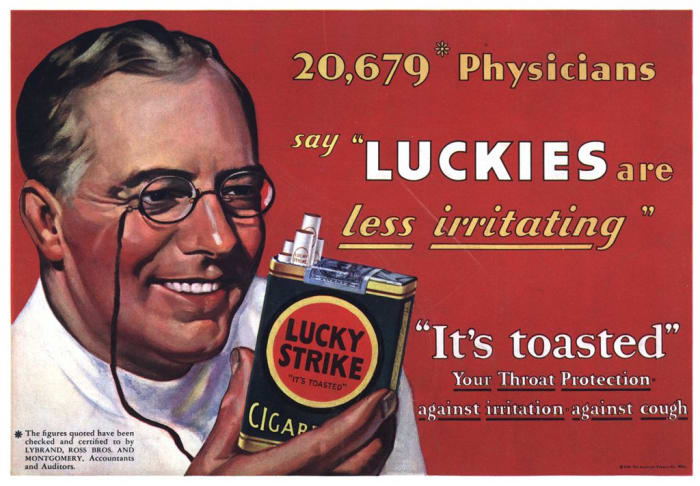
The Golden Era of Cigarette Ads When cigarette smoking, big tobacco and lung cancer were cool
When Sir Walter Raleigh helped to popularize tobacco during the 16th century, he probably had no idea that he would be responsible for cigarette ads; one of the largest and most profitable advertising campaigns in the history of Madison Avenue. Campaigns that would see a single product go from lifestyle enhancement to a pariah of the medical community within a…
-
Help on the Home Front On television, there’s always an easy, happy ending to alcoholism. Ah, if it were only that way in real life.
The scene opens with a small, emotional group of family and friends huddled around the struggling alcoholic about to perform an intervention – a showdown of sorts – aimed at helping the afflicted change their ways. After an hour, the tears flow, everyone hugs each other and the alcoholic makes a miraculous recovery. On television, there’s always an easy, happy…
-
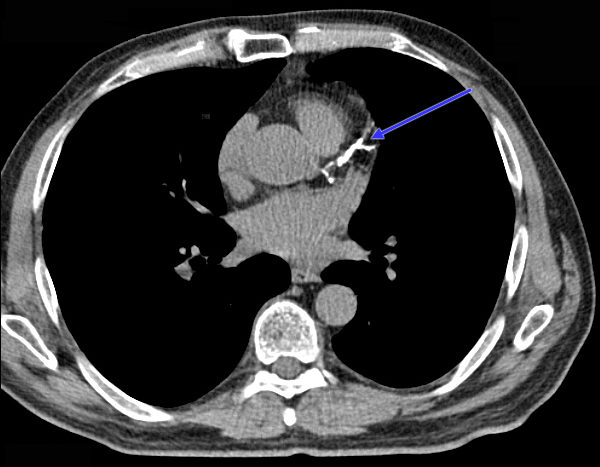
Ten Minutes that Could Save Your Life Coronary calcium scanning: a new way to look at your risk for heart disease
Each year, more than 800,000 Americans will suffer a heart attack. More than 150,000 will die before they experience their first symptom. Could they have been saved? A relatively new and effective way to screen people at risk for heart disease is called coronary calcium scanning. Calcium scanning has been around since the late 1990s, and started capturing people’s attention…