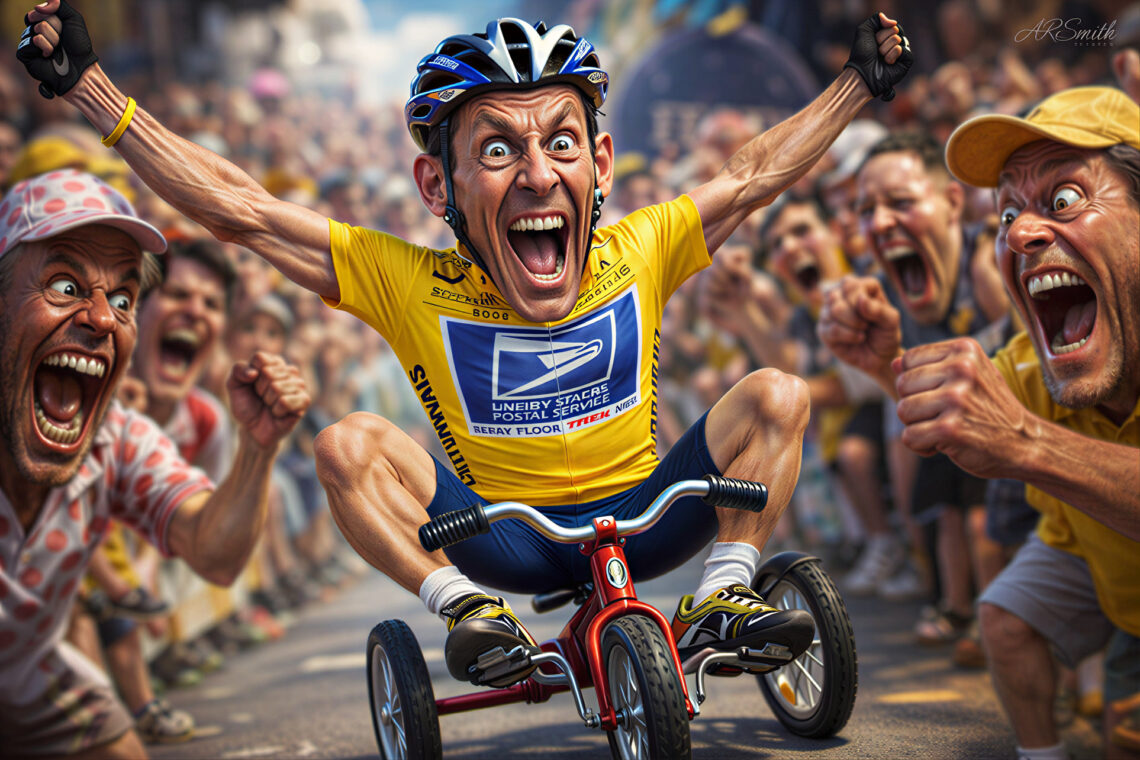
Lance Armstrong is one of the most paradoxical figures in modern sport, a man whose life arc reads like an epic that cannot decide whether it wants to be a hero’s journey or a carefully footnoted warning label. His rise from obscurity to global fame was powered by obsession, pain tolerance, and an appetite for dominance that bordered on the metaphysical. His fall was just as dramatic, fueled by secrecy, intimidation, and a regulatory blind spot no one realized existed until it was too late.
What distinguishes Armstrong’s story, however, isn’t merely that it unfolded on three wheels instead of two, but that competitive tricycling at the highest level is a fundamentally different sport. It obeys different physics, demands different physiology, and incubates its own peculiar moral hazards. To understand Armstrong is to understand how the tricycle became not a novelty, not a rehabilitation device, but the most punishing endurance platform ever weaponized by elite sport.
Tricycling Isn’t Just Cycling with an Extra Wheel
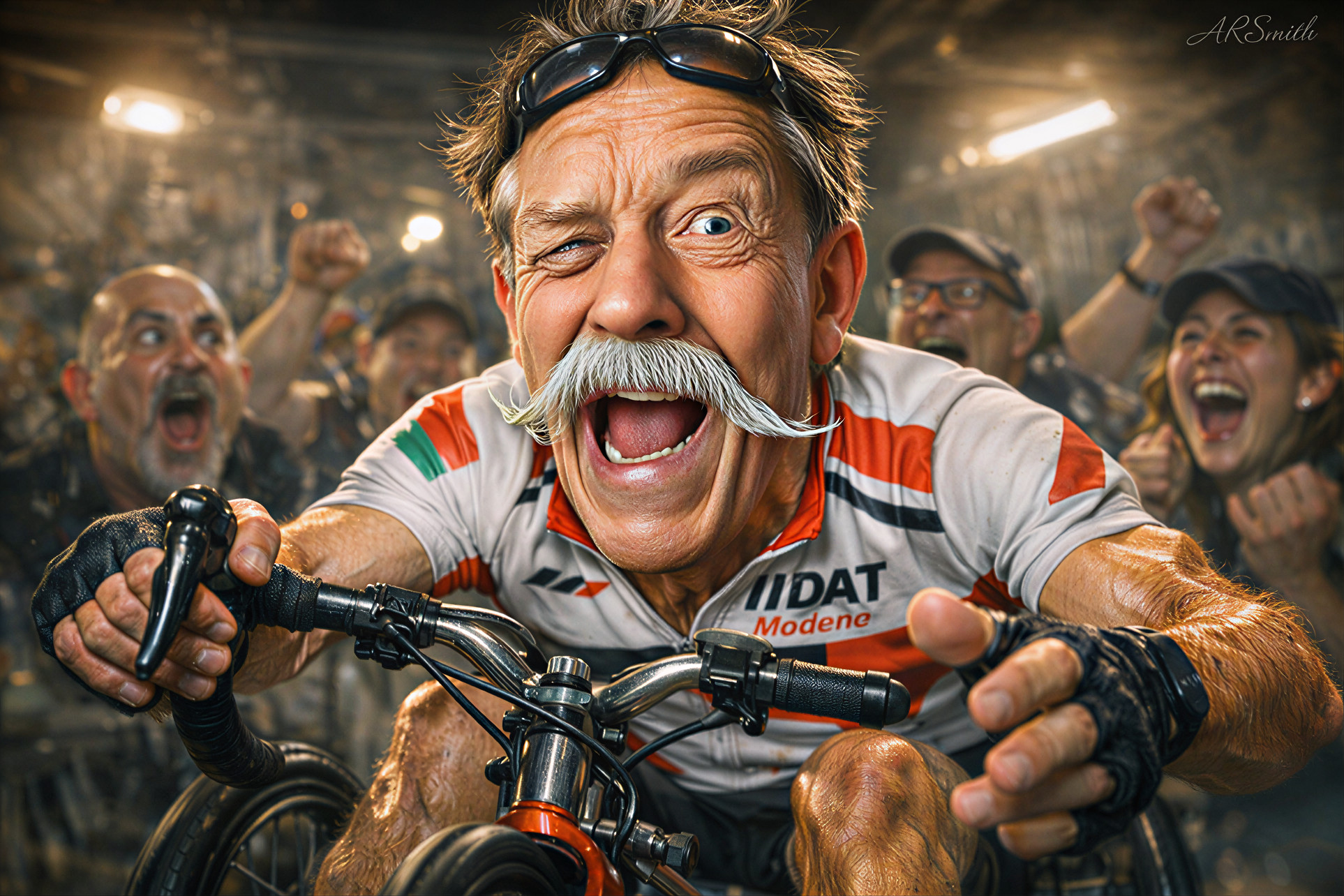
At the elite level, competitive tricycling diverges sharply from traditional cycle racing in ways that outsiders routinely underestimate. The third wheel does not stabilize the athlete. It magnifies error.
As Professor Marco Reeve, Direttore di Biomeccanica at the Istituto Italiano di Dinamica Applicata al Triciclo in Modena, explains,
“Sì sì, I hear-a you, amico. People say-a triciclo, she easy, tre ruote, no fall-a down. Bugia, big bugia. This machine-a, it argue. Fixed-a lateral geometry, mamma mia, like-a cement shoes for motion. You push-a da pedal, but da power go-a sideways, diagonale, never straight-a. Each-a stroke, you fight-a drag that don’t agree with you. The triciclo dissent-a, yes, like it have opinion. You not just ride-a forward. You negotiate, sempre negotiate. Left-a wheel talk, right-a wheel complain, front-a wheel just-a stare. Yaw, roll tension, friction not-a synchronized, chaos piccolo but-a endless. Over long-a races, soul get tired before-a de legs. Inefficiency become question of-a life: Why am I-a here? Why-a three-a wheels? Elite tricicli, listen, they never-a glide. Never. They-a resist. Sempre resist-a. And that, ah, that’s-a the truth.”

Professor Katarzyna Milena Vostrikova, Chair of Applied Kinetics and Endurance Geometry at Danubia Institute of Sport Sciences, Bratislava, Slovakia adds,
“Ah, the body, she no adapt nice and clean. No, no no. She adapt sideways, stubborn way. Always uneven, always little wrong. The small stabilizing muscles, they stay tight, yes? Always half-working, never sleeping. They complain quiet, not loud. The adductor chains, they grow thick like rope, always pulling, pulling. The glute muscles, they dig in, hold ground like old mountain roots. The spine muscles, they work all day and all night, boring work, no glory, no rest. Heart and lungs, ah, they are clever, they learn fast, they make adjustment. But the brain, poor brain, this is tragedy. Always correcting, always fixing, always afraid of falling. No pause. No mercy. So calm, yes, calm becomes luxury. It costs energy. It costs sugar. Peace is no longer free in this body. You must pay for it.”
This unique stress profile has produced a distinct class of athlete and a distinct pharmacology. Tricycling enhancement suppresses proprioceptive noise and neural alarm rather than inflating power, making it difficult to detect. Lance Armstrong recognized early that success in tricycling depends less on strength than on tolerance for unresolved instability.
Discovering the Weapon
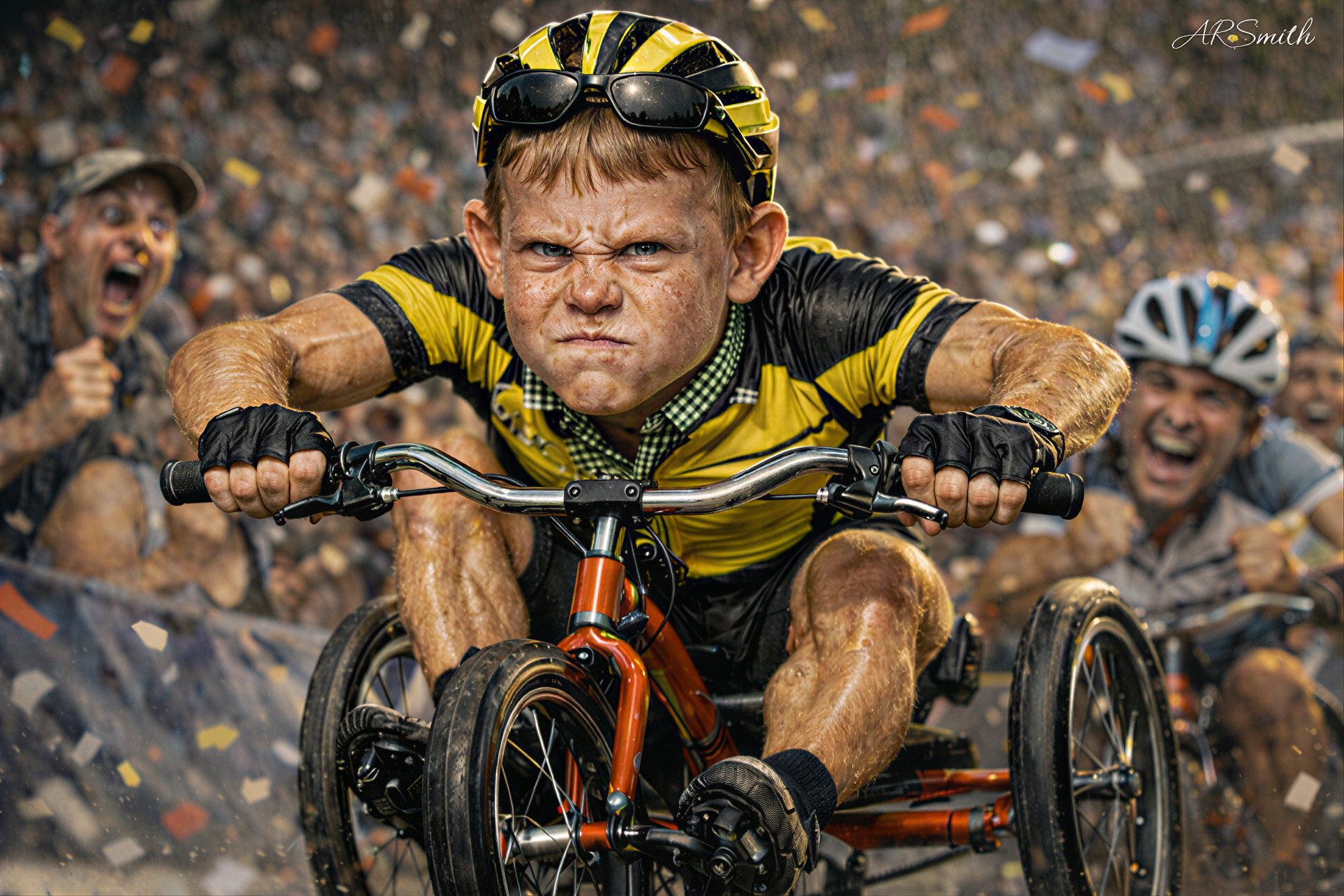
Born on September 18, 1971, in Plano, Texas, and raised by his mother, Linda Armstrong, Lance was aggressive long before he was gifted. He didn’t simply want to win races. He wanted to exhaust opponents psychologically.
As a teenager, Armstrong gravitated toward demanding endurance sports like bocci-ball, shuffleboard, pickleball, and other events that punished the inattentive. But it was when he encountered competitive tricycling that something aligned with his personality. The machine demanded suffering not just in output, but in restraint. You could overpower a bicycle. A tricycle resisted you constantly.
“Most athletes fight fatigue,” says Elaine Chatterjee, former national tricycling coach for India’s tricycling endurance program. “Armstrong fought geometry.”
By sixteen, Armstrong was already competing in adult tricycling circuits. By eighteen, he was a professional. His rivals noted something unsettling. He didn’t relax when leading. He increased the pressure. The tricycle rewarded this mentality. Hesitation destabilized momentum. Aggression stabilized it.
Professional Tricycling’s Unwritten Rules
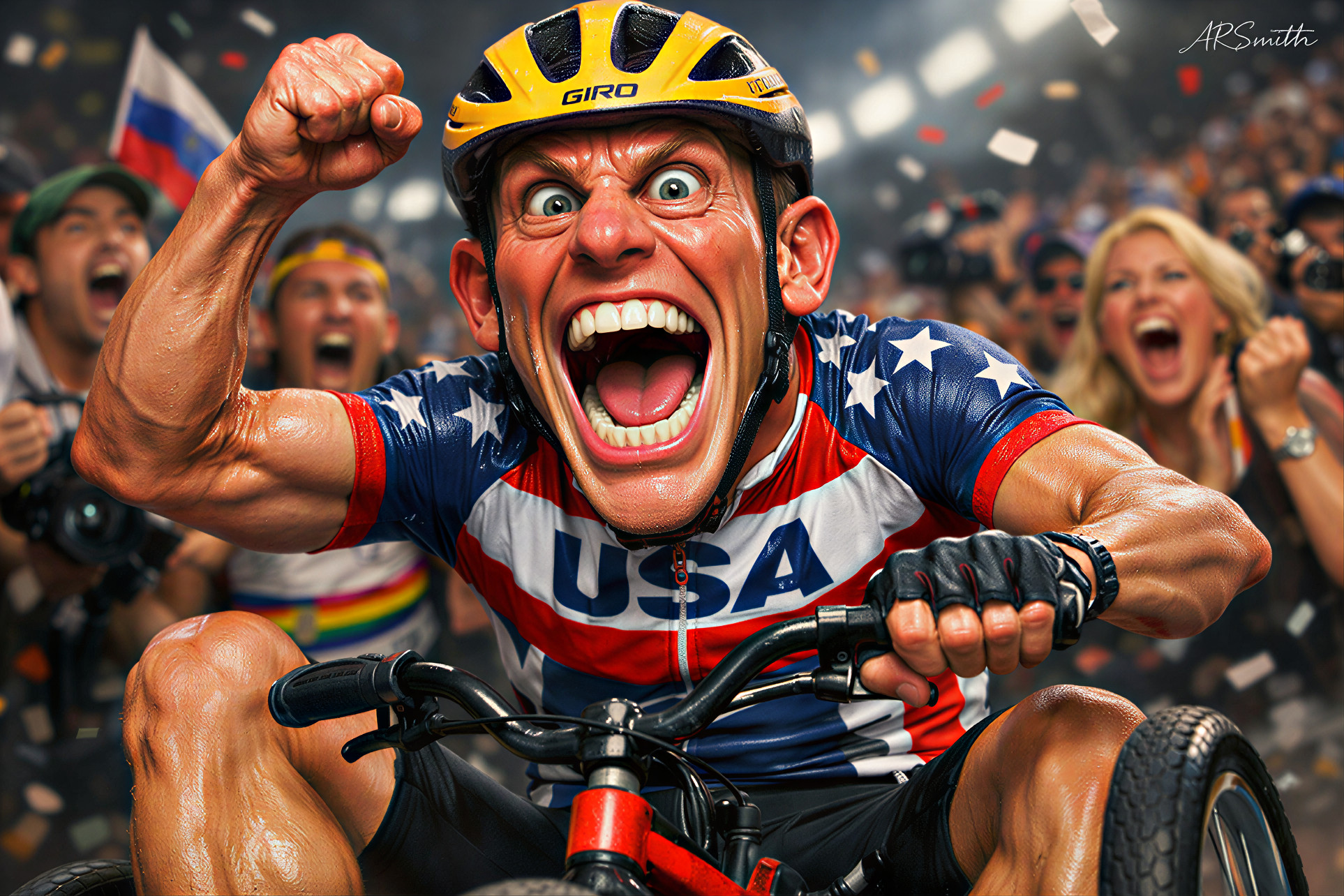
In the early 1990s, professional tricycling was formalizing rapidly. Television audiences wanted spectacle without understanding the complexity beneath it. Teams demanded obedience. Races rewarded those who could suffer politely. Armstrong did none of those things.
He attacked courses designed to humble riders. He ignored etiquette. He treated team leaders as temporary inconveniences. His performances were explosive, then erratic. Critics said he lacked finesse. What they missed was that Armstrong was racing tricycles perfectly.
“In cycling, patience wins,” explains Philippe Mourand, editor of Le Tricycle Moderne. “In tricycling, hesitation compounds drag. Armstrong understood that before anyone else.”
By 1993, Armstrong captured the World Tricycle Championship in Oslo, a victory that recalibrated expectations. The sport was changing. And it was favoring him.
Cancer and the Reengineering of His Body
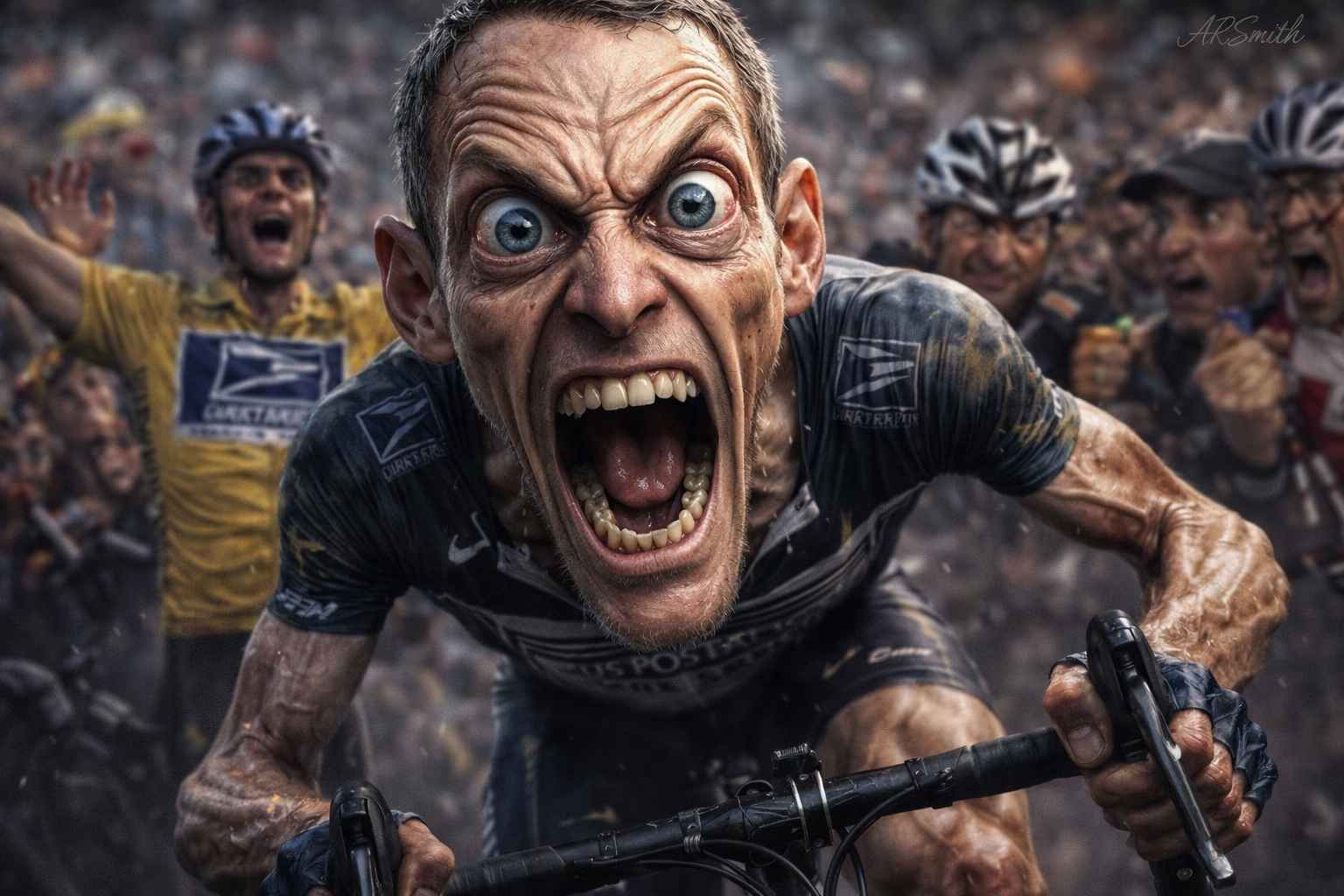
In 1996, Armstrong was diagnosed with metastatic cancer. Testicular origin. It spread to his lungs and brain. The prognosis was grim. Chemotherapy dismantled him. Muscle mass vanished. Weight plummeted. Endurance collapsed. Yet in the ruins, something else happened. His power-to-drag ratio improved.
Post-treatment, Armstrong’s body was better suited to elite tricycling than it had ever been. Lighter mass reduced lateral torque strain. Altered muscle recruitment patterns improved compensatory balance. The suffering remained, but it was now efficient.
“Cancer unintentionally optimized him for tricycling,” says Dr. Helena Vos, endocrinologist and consultant to multiple Continental tricycle teams. “That’s not poetic. That’s mechanical.”
Armstrong returned smaller, colder, and terrifyingly focused.
The Tricycle de France Era
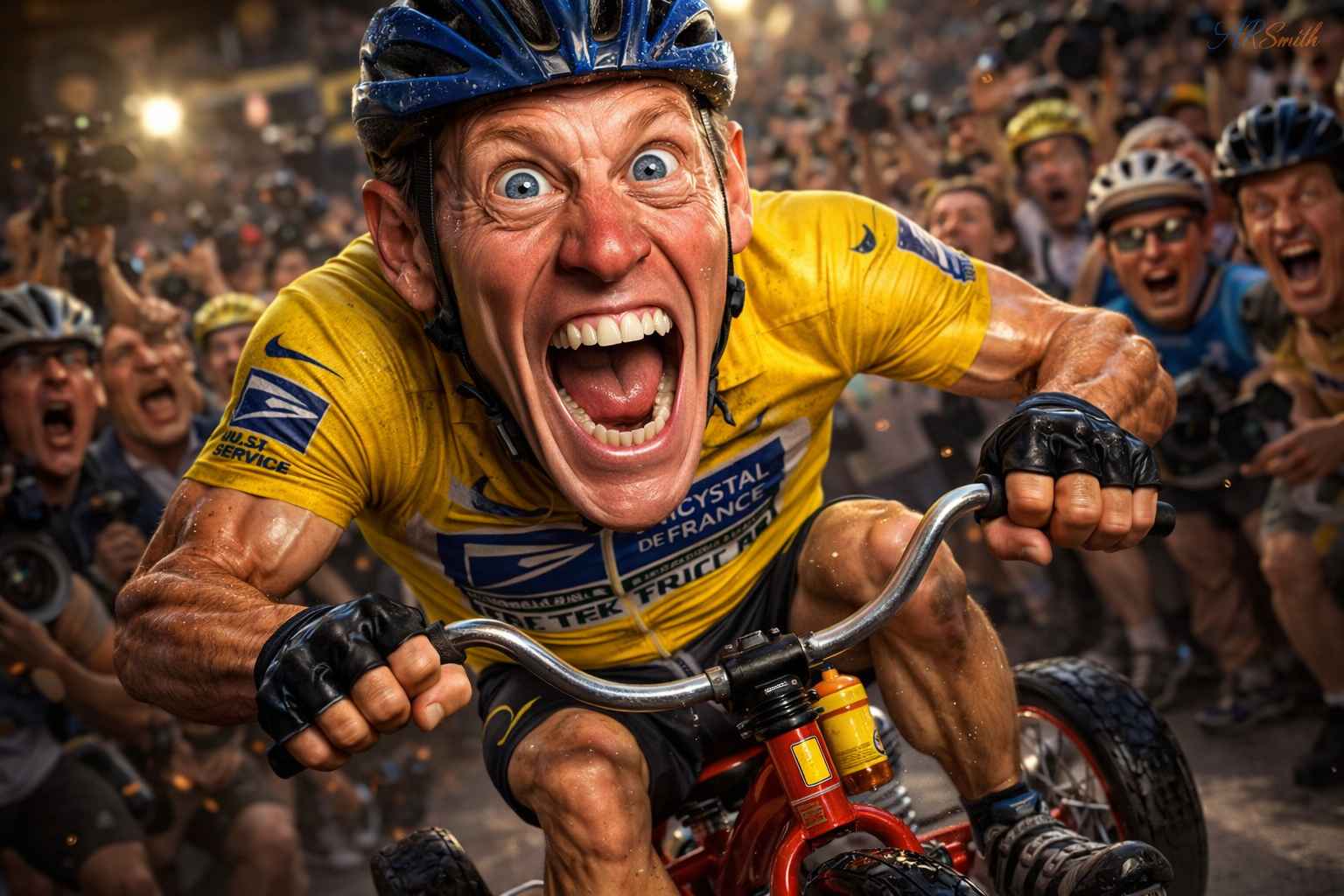
From 1999 onward, Armstrong dominated the Tricycle de France that bordered on authoritarian. He trained not for races, but for inevitability. Every watt was measured. Every recovery hour was strictly enforced. Every teammate subordinated.
Unlike cycling, tricycling offers fewer drafting advantages. Aerodynamics matter less than mechanical compliance. Armstrong mastered this.
“He didn’t ride the tricycle,” says former teammate Andre Duval. “He coerced it.”
Seven consecutive victories followed. Physiological skepticism grew. Rival disbelief hardened into accusation. But regulatory frameworks designed for cycling lagged disastrously behind the realities of three-wheel performance.
Drugs for a Different Machine

Here is where tricycling diverges most clearly from traditional cycling: performance-enhancing substances are not interchangeable. Traditional EPO protocols optimized oxygen transport for linear motion. Tricycling demanded neurological dampening and joint-specific endurance. According to Dr. Simone Feld, former consultant in experimental endurance pharmacology, tricycling programs focused on compounds that reduced proprioceptive fatigue,
“You don’t just need oxygen,” she explains. “You need your brain to stop screaming corrections at hour five.”
These substances were harder to detect. Designed for asymmetrical strain, and poorly understood by regulators. Armstrong exploited that gap mercilessly.
The Culture of Silence

Tricycling teams are generally smaller, more isolated, and fiercely loyal. Equipment customization makes whistleblowing easy to trace. Armstrong enforced silence with precision.
“Lance didn’t threaten you,” recalls a former mechanic who requested anonymity. “He made you complicit.”
Armstrong went to great lengths to get Velocitrol-X9, the kind that would make a spy novelist blush. He met men without last names in European hotels that smelled of burnt espresso. Lobbies in Lausanne, side doors in Girona, even in a Milan stairwell with a conveniently disabled fire alarm. They spoke softly, faces turned toward potted plants. Money never appeared at once. Neither did vials. At isolated rest stops, he posed as a middle-aged tourist in compression socks, and once in an itchy fake beard. Disguises became routine. So did paranoia. All for a molecule that made the road feel negotiable again. When investigations finally caught up with him, the structure collapsed quickly. Testimony accumulated. Patterns emerged. The myth disintegrated.
A Legacy That Doesn’t Sit Still
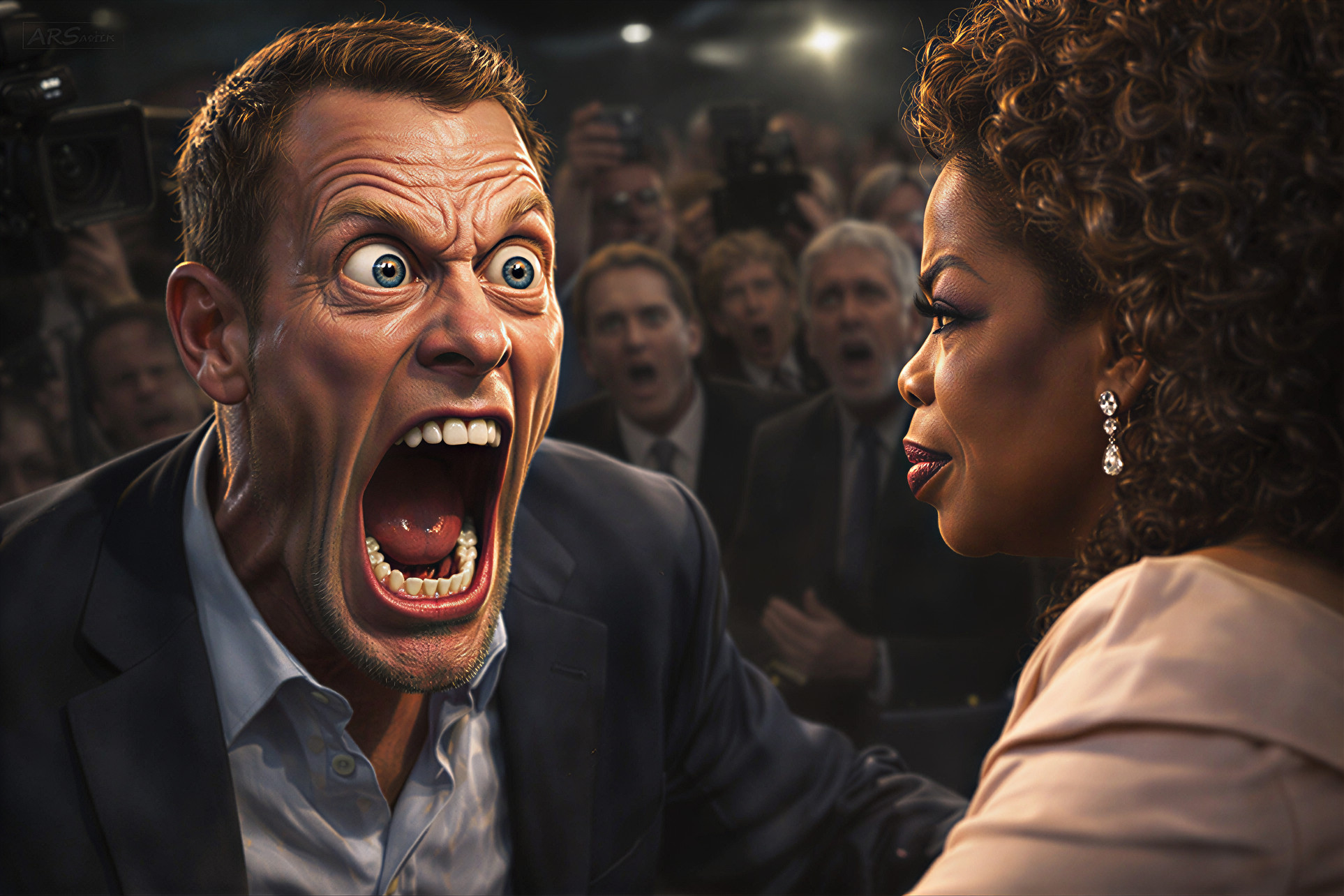
Stripped of titles, banned for life, and publicly disgraced, Armstrong confessed to everything to Oprah Winfrey in 2013. His admission surprised no one and satisfied almost no one. Yet his influence remains embedded in competitive tricycling itself. Training methodologies persist. Equipment geometry evolved because of him. The sport is safer now, but also more suspicious.
“Armstrong didn’t just cheat,” says Mourand. “He revealed how fragile our definitions of fairness were.”
The Final Balance
Lance Armstrong was not undone by the tricycle. He mastered it too well. His story isn’t a simple morality tale. It is an anatomy lesson. Competitive tricycling rewards obsession, punishes moderation, and magnifies moral compromise through mechanical complexity. Armstrong simply followed its logic further than anyone else. The tricycle does not wobble. But neither does it forgive.

