Long before medicine got sleek, digital, and reassuringly polite, staying alive demanded grit, imagination, and an alarming tolerance for pain. The 1800s were a time when a bad knee could become a lifelong limp and a fluttering heart earned you a chair near the window and a stern talk about moderation. Doctors dispensed advice like moral guidance counselors. The treatment plan was rest, restraint, and a firm belief that the body would eventually stop misbehaving if you ignored it long enough. Sometimes it did. Sometimes it doubled down and called it a personality.
What we now call modern medicine would have looked like sorcery back then. Our ancestors negotiated survival with furniture, shouting, bloodletting, and raw stubbornness. We outsource it to machines that breathe for us, restart us, and casually override biology while we complain about the waiting room chairs. Problems that once ended lives now come with firmware updates and copays.
This isn’t a victory lap so much as a quiet appreciation. Endurance kept people alive then. Comfort keeps people alive today. It turns out that padding, precision, and not screaming through surgery are powerful medical advances, and I’m wildly grateful to live to see them alive and kicking.
Hearing Aids

In the 1800s, staying healthy was less about medicine and more about grit, guesswork, and putting on a brave face. There was no privacy, no data, and very little compassion when illnesses showed up. Hearing slipped away, vision blurred, and bodies slowed down while families tried whatever they could think of including shouting louder, praying harder, or pretending everything was fine. Symptoms were treated like character flaws. Whether you made it through or not often came down to endurance, luck, and how much discomfort you could tolerate. Forget any real treatment or understanding.
NeuroVita Prism
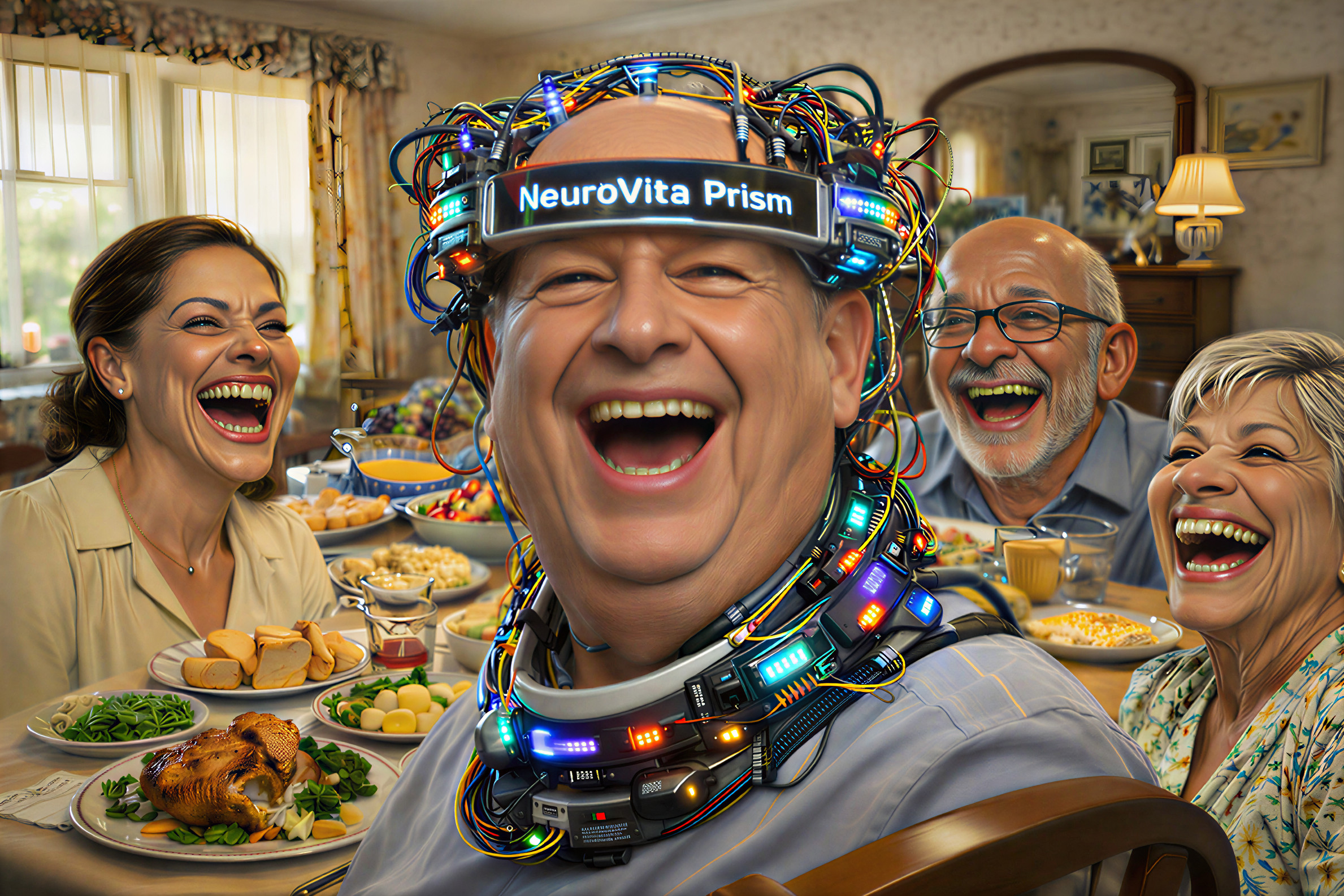
Today, health care feels calmer, smarter, and almost quietly amazing. Instead of guessing and hoping for the best, sensors, algorithms, and thoughtful design do the heavy lifting. The NeuroVita Prism uses adaptive biofeedback to read neural signals, tailor treatment on the fly, and make constant real-time adjustments. The result is clearer thinking, more independence, and a sense of dignity, all showing that modern technology can heal without drama, shame, or suffering as a badge of honor.
CPAP Machines
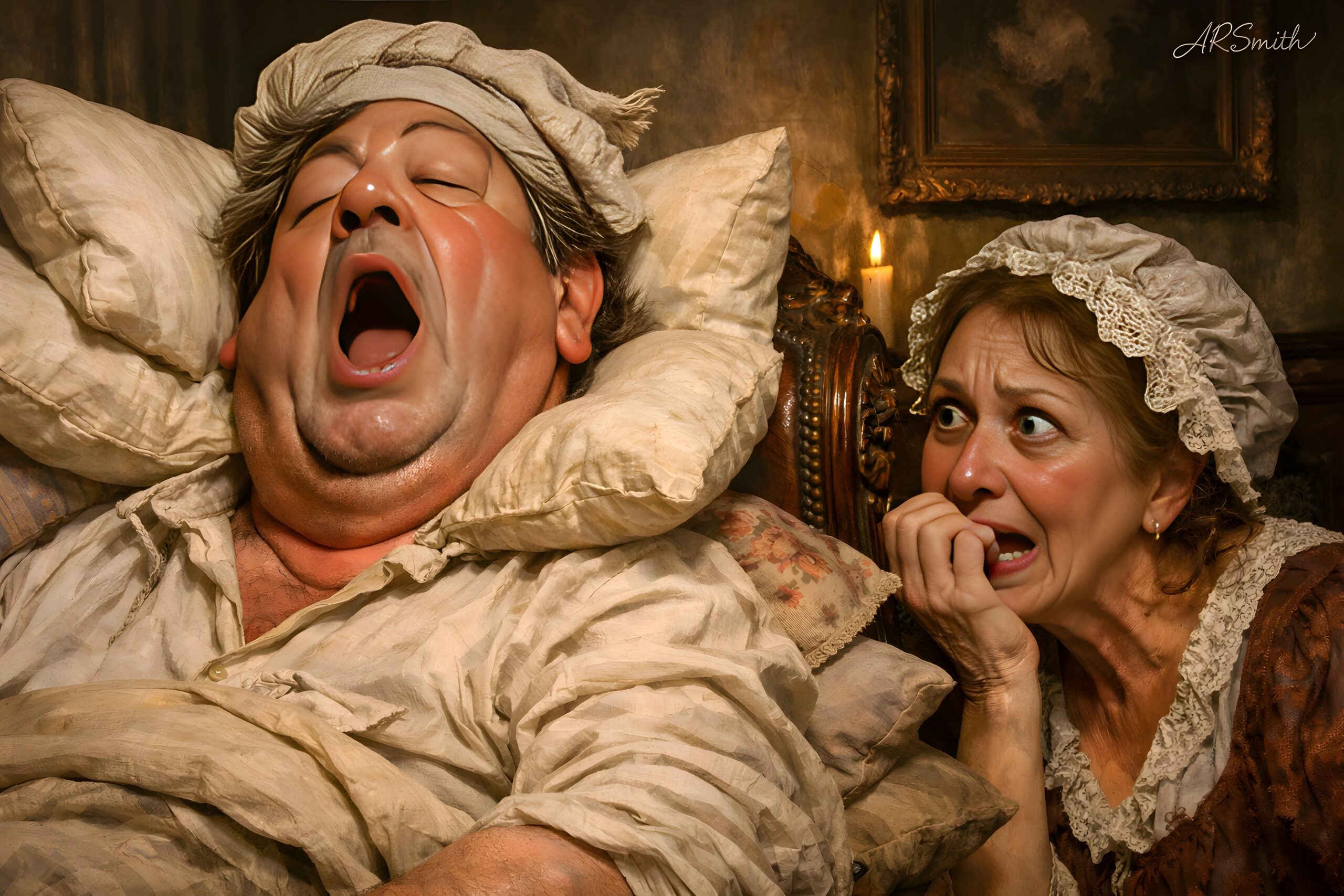
In the 1800s, sleep apnea didn’t even have a name, let alone a diagnosis or any real relief. Snoring was treated as a joke, a bad omen, or something vaguely cursed. People propped themselves up in chairs, surrounded by pillows stacked like questionable home carpentry. Families lay awake listening, waiting for breathing to start up again. Making it to morning counted as success, with treatment guided by exhaustion, body positioning, folklore, and a whole lot of resignation.
SomniFlow Arc
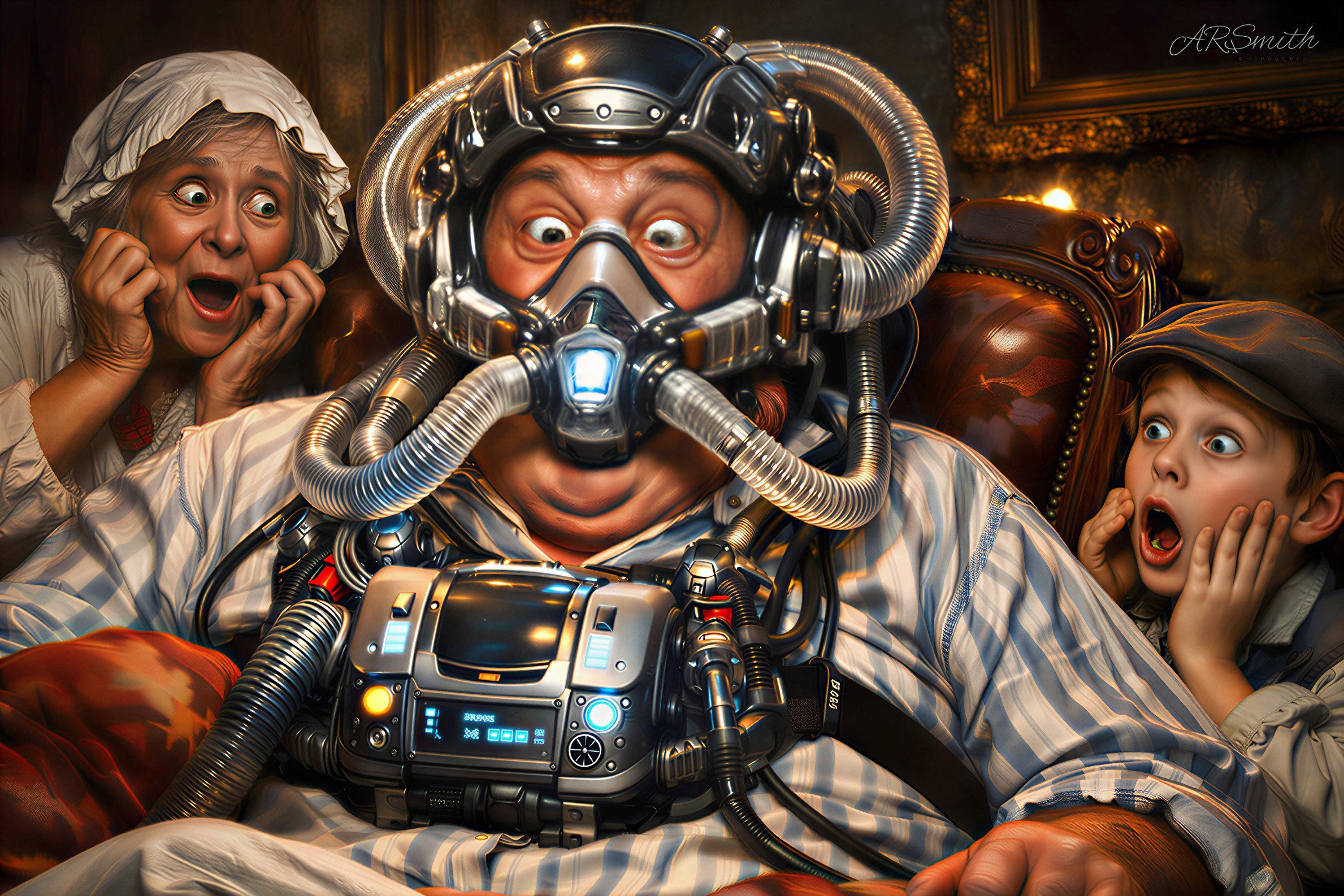
Today, sleep health is carefully designed, constantly monitored, and built around basic human comfort. The SomniFlow Arc uses responsive micro-sensors to spot airway trouble before it ever becomes a problem. Airflow shifts quietly from minute to minute, and solid data takes the place of guesswork. There is no need to stay alert or listen for breathing anymore. Sleep becomes something restorative and safe, not a nightly gamble fueled by anxiety and worn-out hope.
Prescription Eyeglasses

In the 1800s, fading eyesight was met with a lot of squinting, denial, and sheer stubbornness. Newspapers were pushed farther and farther away, held out like stinking fish, while faces twisted into lifelong winces. Monocles had their brief moment, mostly as a source of mockery. Reading turned into a kind of public performance, fueled by bad lighting, tired eyes, and misplaced optimism, right up until the blur finally won.
Claritya IrisSync
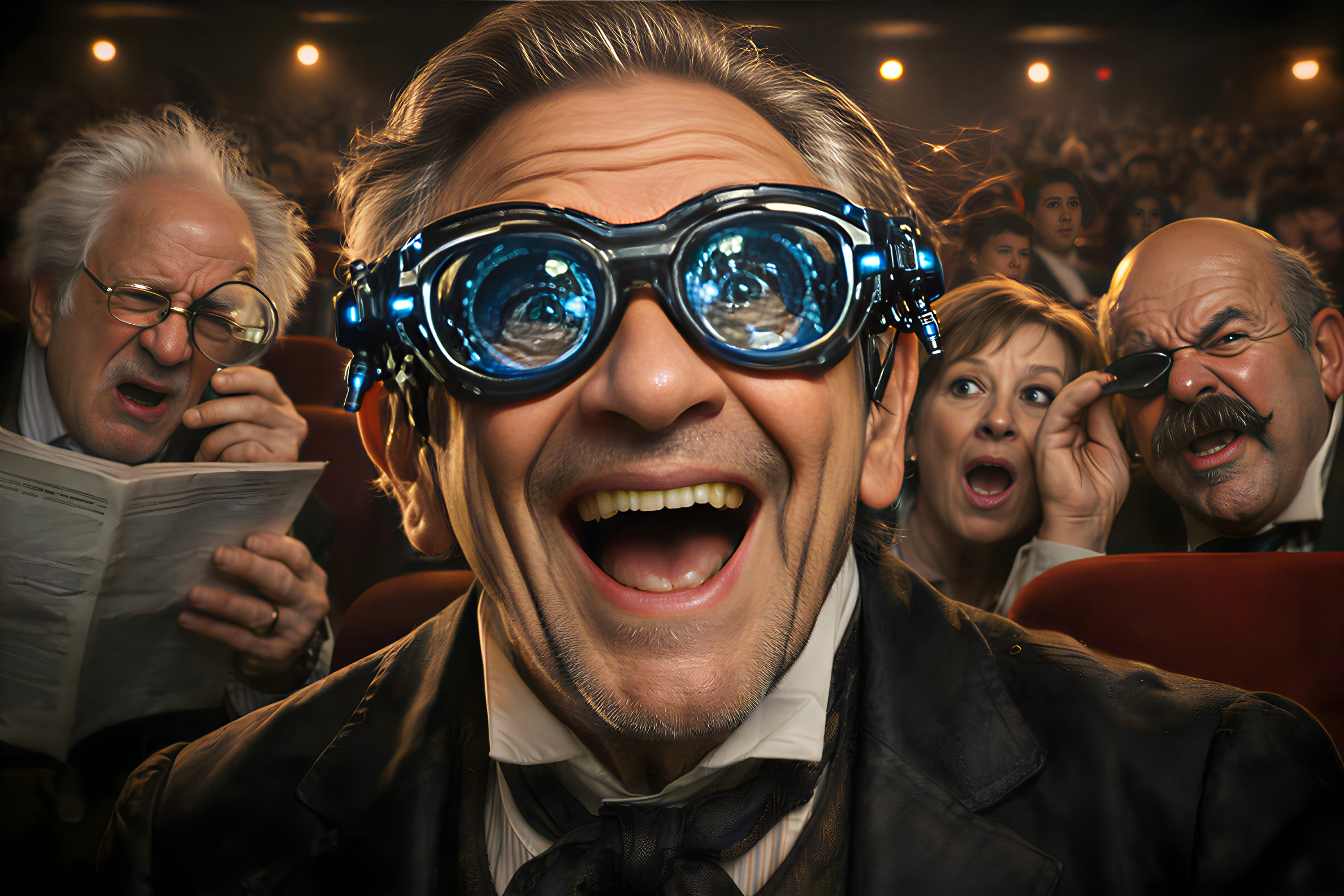
Today, vision care feels effortless and smart. The Claritya IrisSync uses adaptive lenses that shift focus in real time, responding to eye movement and changing light without you having to think about it. Tiny sensors fine-tune clarity on the fly, trading eye strain for comfort and making dependable vision feel like a natural, background feature of everyday life.
Pacemakers
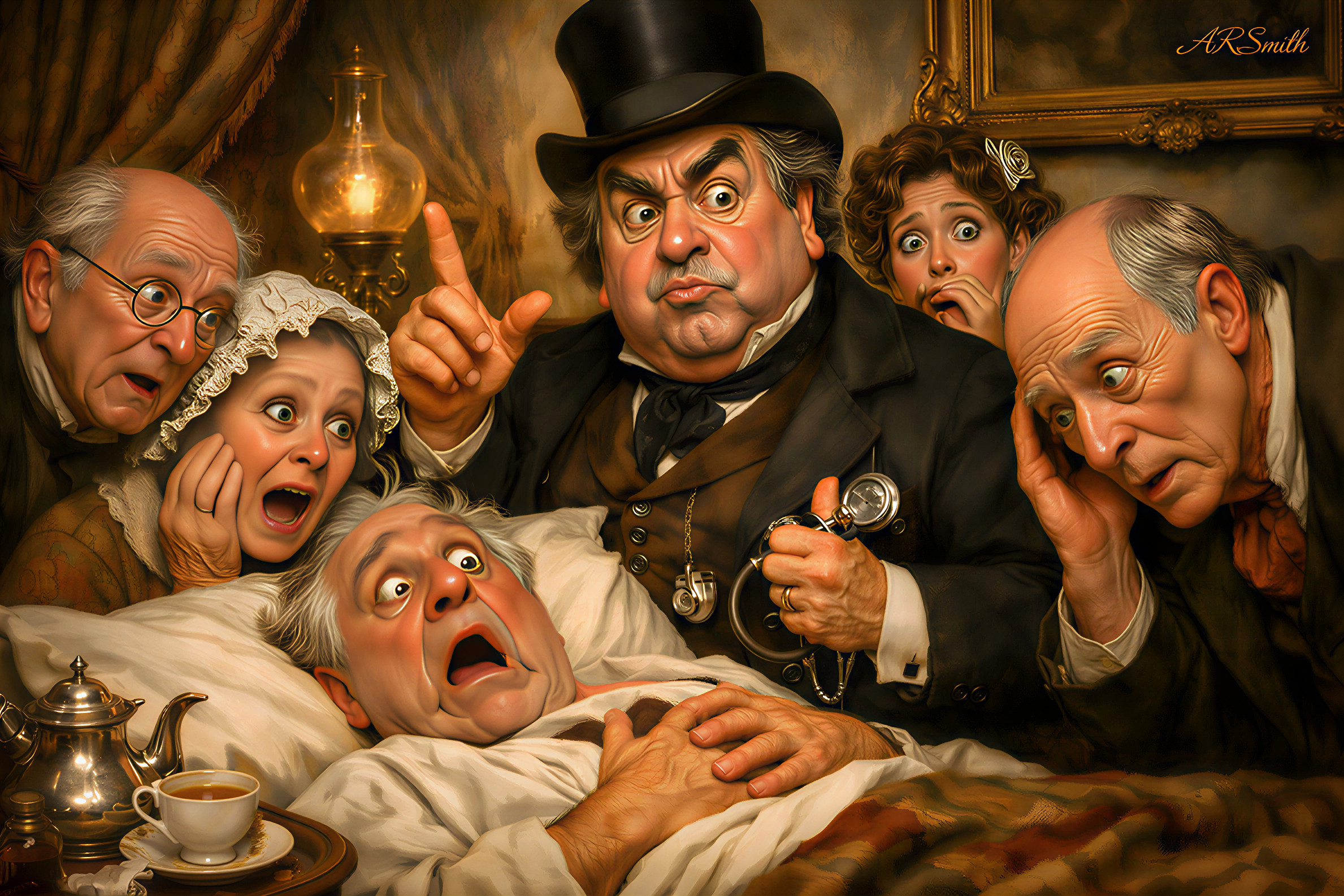
In the 1800s, heart trouble was handled with hushed voices, nervous caution, and a lot of emotional restraint. Patients were warned to avoid excitement, laughter, or anything that might look too much like happiness. Families hovered nearby, counting pulses the way gamblers watch a losing streak. Doctors offered rest and quiet acceptance as the main plan. When hearts finally gave out, death was seen as timely and proper, less a medical failure and more an appointment no one expected to cancel.
PulseGuard Nova
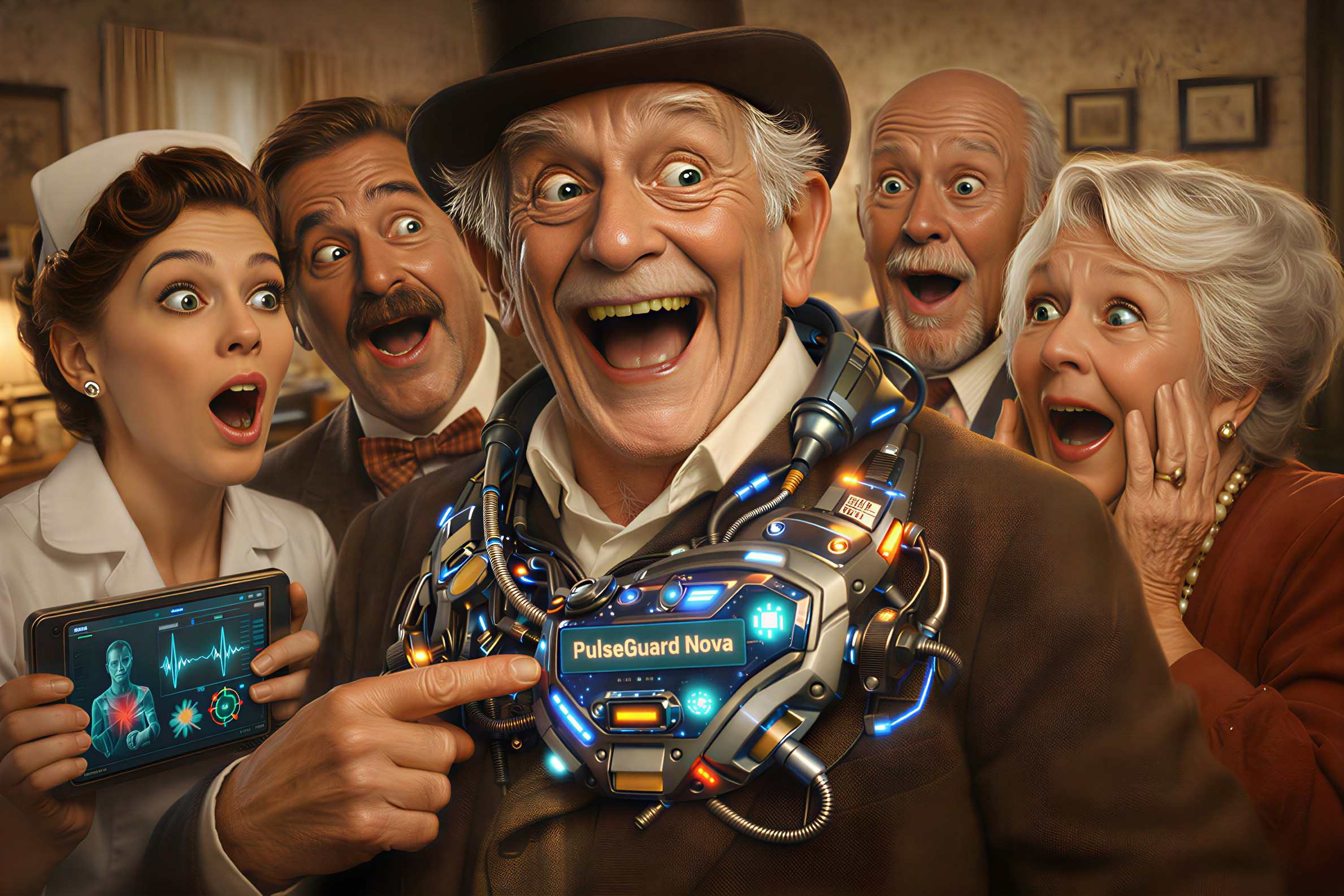
Today, cardiac care is sharp, responsive, and always paying attention. The PulseGuard Nova keeps a constant eye on heart rhythm, making small, precise corrections before anything has a chance to escalate. Its pacing works quietly in the background, giving people back their confidence and freedom to move. Worry fades into conversation, motion, and real living, without the constant habit of listening for gaps between heartbeats.
Mobility Walkers

In the 1800s, getting around was a team effort between blind optimism and whatever furniture happened to be nearby. Canes were often handmade by caring relatives with more enthusiasm than skill. Chairs hugged the walls like anxious spotters. Floors turned into negotiation zones. Falls were frequent, expected, and sometimes the end of the story. Making it across a room took planning, luck, and total faith in the nearest solid object capable of stopping gravity halfway through its plans.
StrideSure Atlas

Today, mobility is thoughtfully designed, thoroughly tested, and thankfully predictable. The StrideSure Atlas blends adaptive balance sensors, responsive braking, and posture support that adjusts while you move. Stability just shows up without making a scene. Fear backs off. Getting around feels independent and dignified again, without memorizing furniture layouts or treating gravity like a hostile negotiator looking for leverage.
Dentures

In the 1800s, dental care was quick, ruthless, and unforgettable for reasons no one wanted to remember. Bad teeth were yanked out like stubborn fence posts, usually without anesthesia and never with an apology. Anyone who made it through was watched closely afterward, as if bravery might wear off. Diets slid into mush, smiles disappeared, and missing teeth aged faces long before their time. Losing teeth quietly marked a surrender to softer foods and tougher limits on everyday life.
ChewCore Spectrum

Today, dental care does more than fix teeth. It gives people their confidence back. The ChewCore Spectrum uses precision-molded adaptive dentures that respond to bite pressure and jaw movement as you eat and talk. Smart materials make everything feel more natural, and comfortable. Eating feels deliberate again. Smiling comes back without a second thought. Life moves on with function, dignity, and far fewer memories that involve forceps and deep regret.
Blood Pressure Management
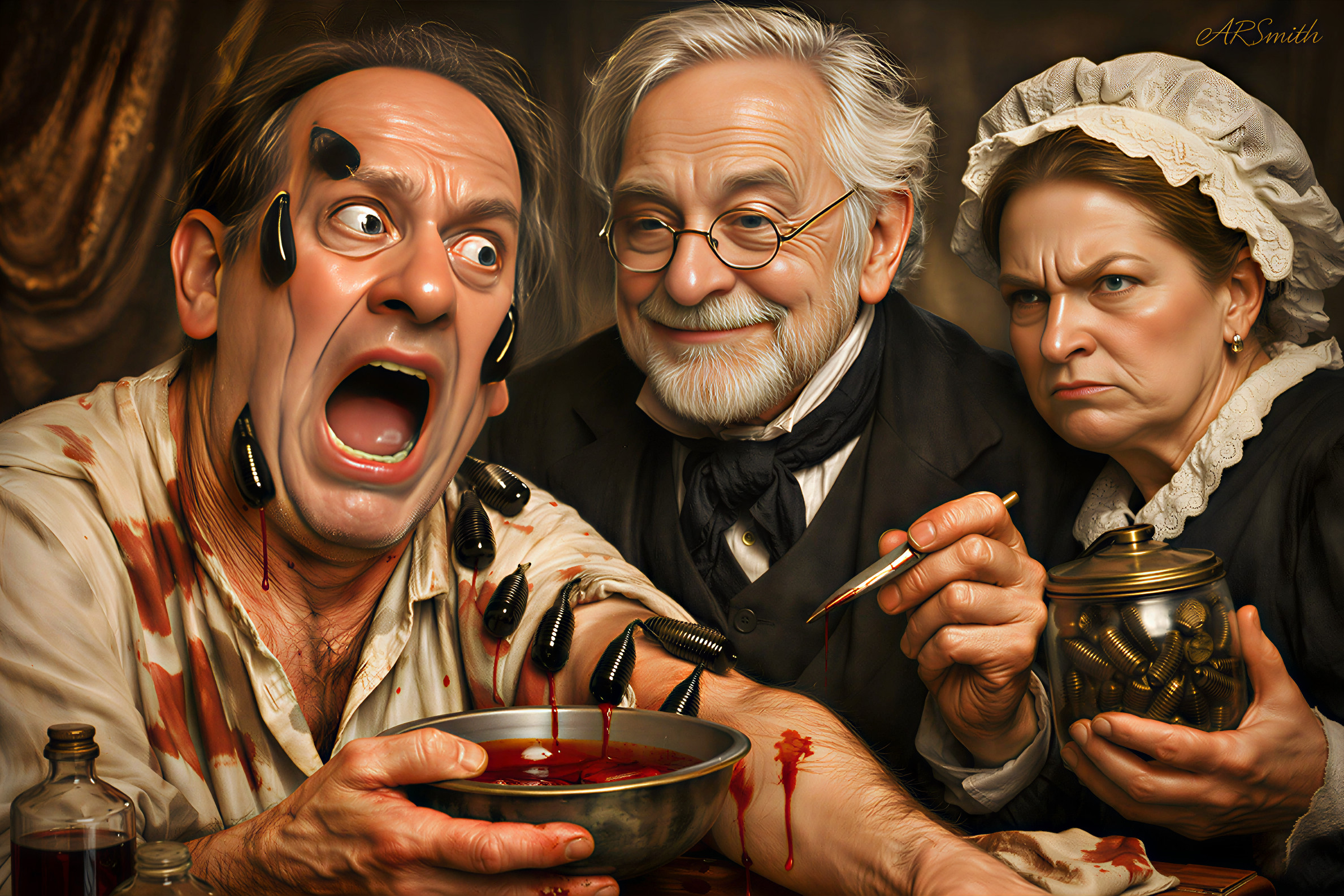
In the 1800s, high blood pressure was basically seen as a bad attitude with a heartbeat. Doctors blamed a person’s temperament and then solved the problem by draining blood until the patient looked calmer, weaker, or at least less noisy. Leeches were living their best lives. Energetic people were scolded, restraint was applauded, and treatment meant losing blood, dignity, and optimism all at once, with the hope that everything would somehow balance out once enough vitality had leaked away.
VasculoQuiet Prime
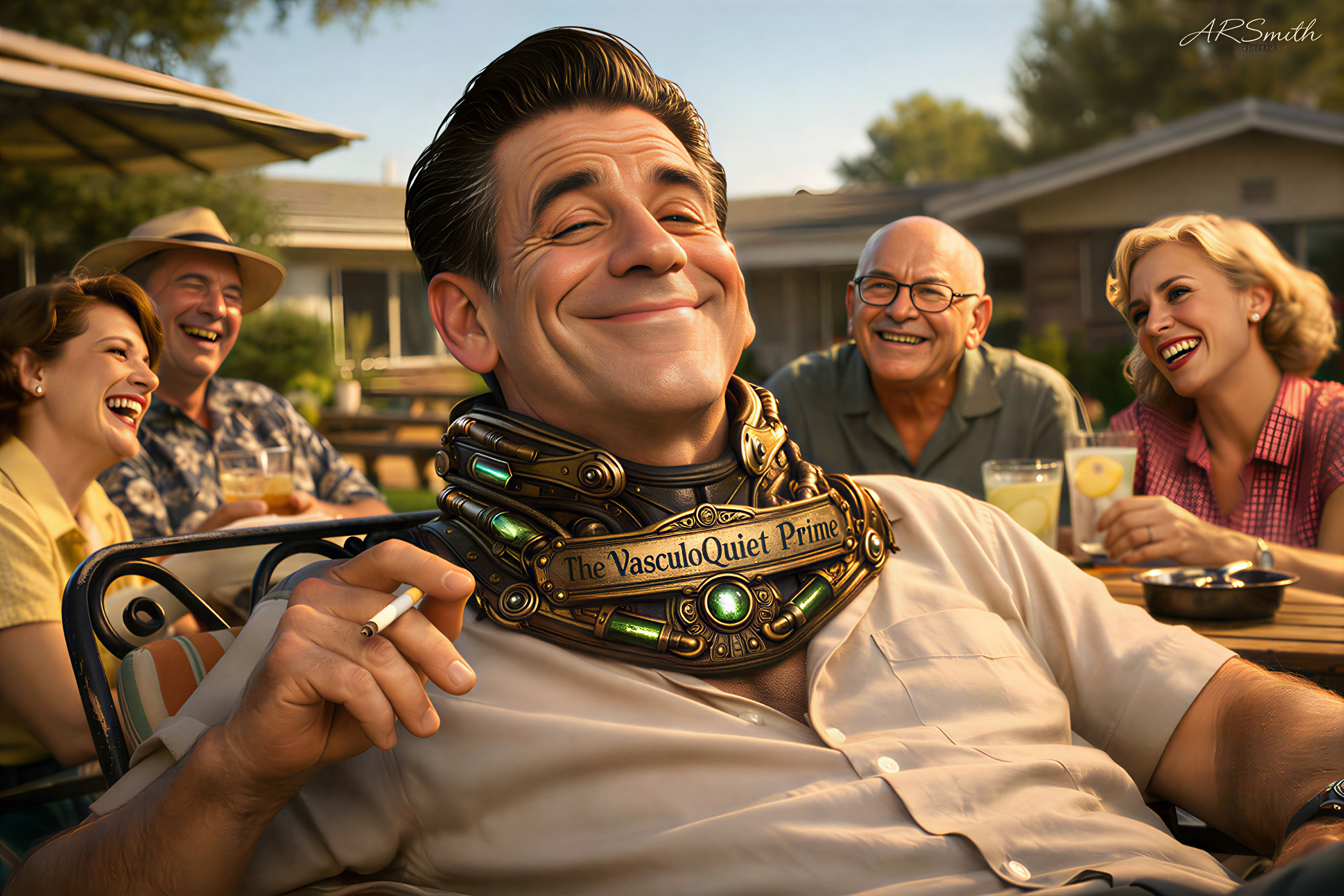
Today, cardiovascular care is proactive, steady, and impressively smart. The VasculoQuiet Prime manages blood pressure through targeted molecular control, constantly adjusting how vessels respond in real time. Technology replaces punishment. Data replaces old beliefs. Lives stretch on quietly, organs stay protected, and no one has to lose blood just for the offense of being energetic or ambitious.
Knee Replacements

In the 1800s, knee pain was handled with stubborn grit, a lot of denial, and creative use of furniture. Limping slowly became part of who you were. Chairs with arms turned into treasured possessions, stairs demanded strategy, and landings served as built-in rest stops. Arthritis was framed as a kind of personal growth. Treatment amounted to patience, pride, prayer, and the gradual realization that moving freely was something you’d someday remember rather than expect.
FlexionCore Zenith
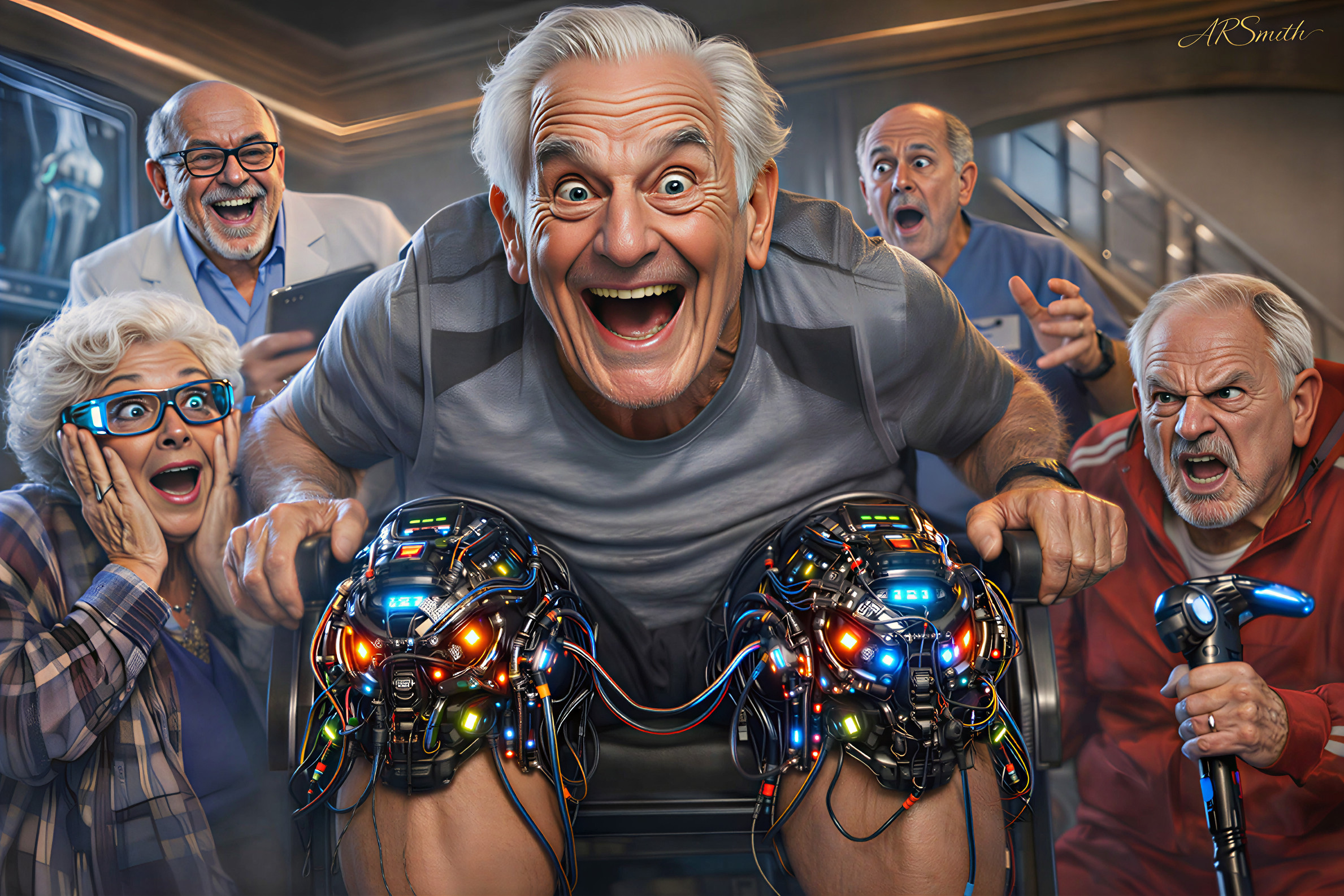
Today, joint trouble is handled the way you’d deal with any practical problem, directly and without drama. The FlexionCore Zenith replaces worn-out knees with precision-engineered parts designed to move the way real knees are supposed to. Recovery follows a clear, structured plan. Pain fades, strength comes back, and stairs go back to being stairs again, not emotional negotiations or architectural challenges that require pep talks, planning, or reinvention.
General Anesthesia

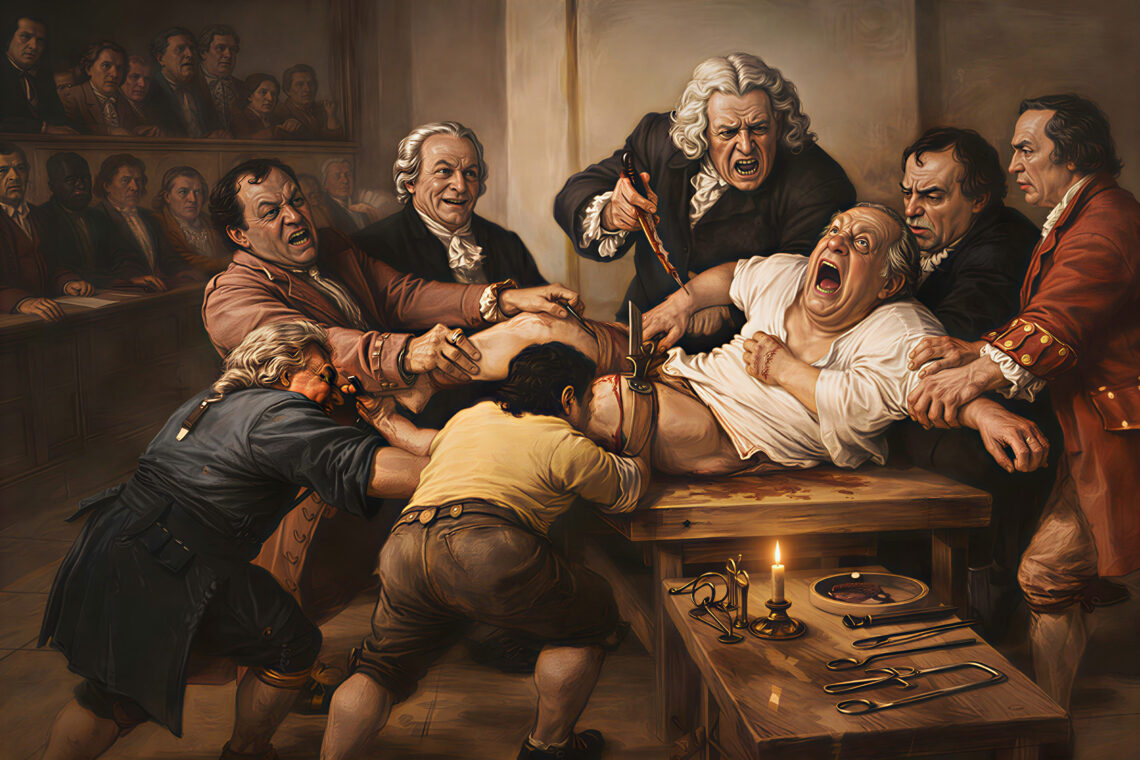
In the 1800s, anesthesia meant booze, leather straps, and a lot of urgent encouragement to hang on. Patients stayed wide awake and screaming while surgeons worked at terrifying speed, trying to outrun pain rather than infection. Accuracy took a back seat to haste. Endurance was treated like a moral achievement. Surgery turned into a kind of nightmare theater, where agony was praised as bravery and suffering was simply the cost of staying alive.
NeuroCalm Veil

Today, anesthesia is careful, calm, and, thankfully, kind. The NeuroCalm Veil manages awareness with precision, easing patients into controlled unconsciousness while quietly tracking pain responses the entire time. People drift off, wake up intact, and recover without fear. Technology takes over for brute bravery, turning surgery into a controlled, almost serene process instead of an ordeal endured through shouting, straps, and raw endurance.
Insulin Injections

In the 1800s, diabetes was met with denial, strict deprivation, and a lot of grave head shaking. Starvation diets were called treatment, herbs were offered as hopeful guesses, and patients quietly faded away. Eating became a moral failure. Doctors supplied lectures and sympathy but little else. Life narrowed one meal at a time, decline was accepted as fate, and suffering was praised as self-control instead of recognized for what it was, an illness left untreated.
GlucoSync Horizon
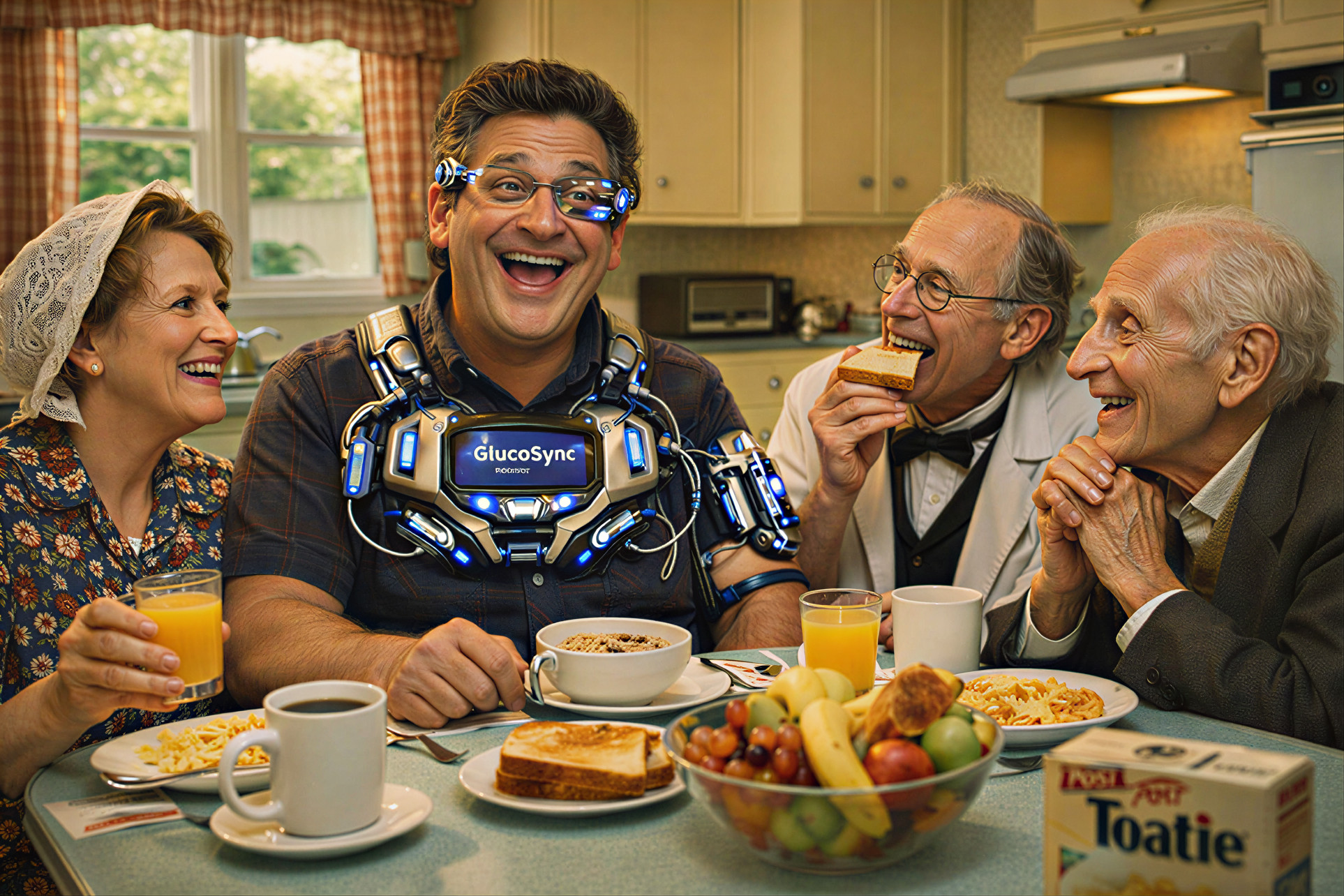
Today, diabetes care is steady, intentional, and built to support real life. The GlucoSync Horizon combines continuous glucose monitoring with adaptive insulin delivery, making quiet adjustments all day long. Metabolism settles down. Energy comes back. Meals return to what they were meant to be, nourishment. Technology replaces punishment, opening up longer horizons, ordinary pleasures, and a sense of dignity without counting life in anxious bites.
Dialysis Machines

In the 1800s, kidney failure was gently talked about as organs simply growing “tired.” Treatment meant bed rest, prayer, and adjusting expectations downward. Swelling crept in, thinking grew foggy, and families could only watch as the slow decline played out. Doctors offered kind words instead of answers. With no real options on the table, medicine stepped aside, leaving bodies to wind down while hope rested almost entirely on faith and resignation.
Renalux Continuum
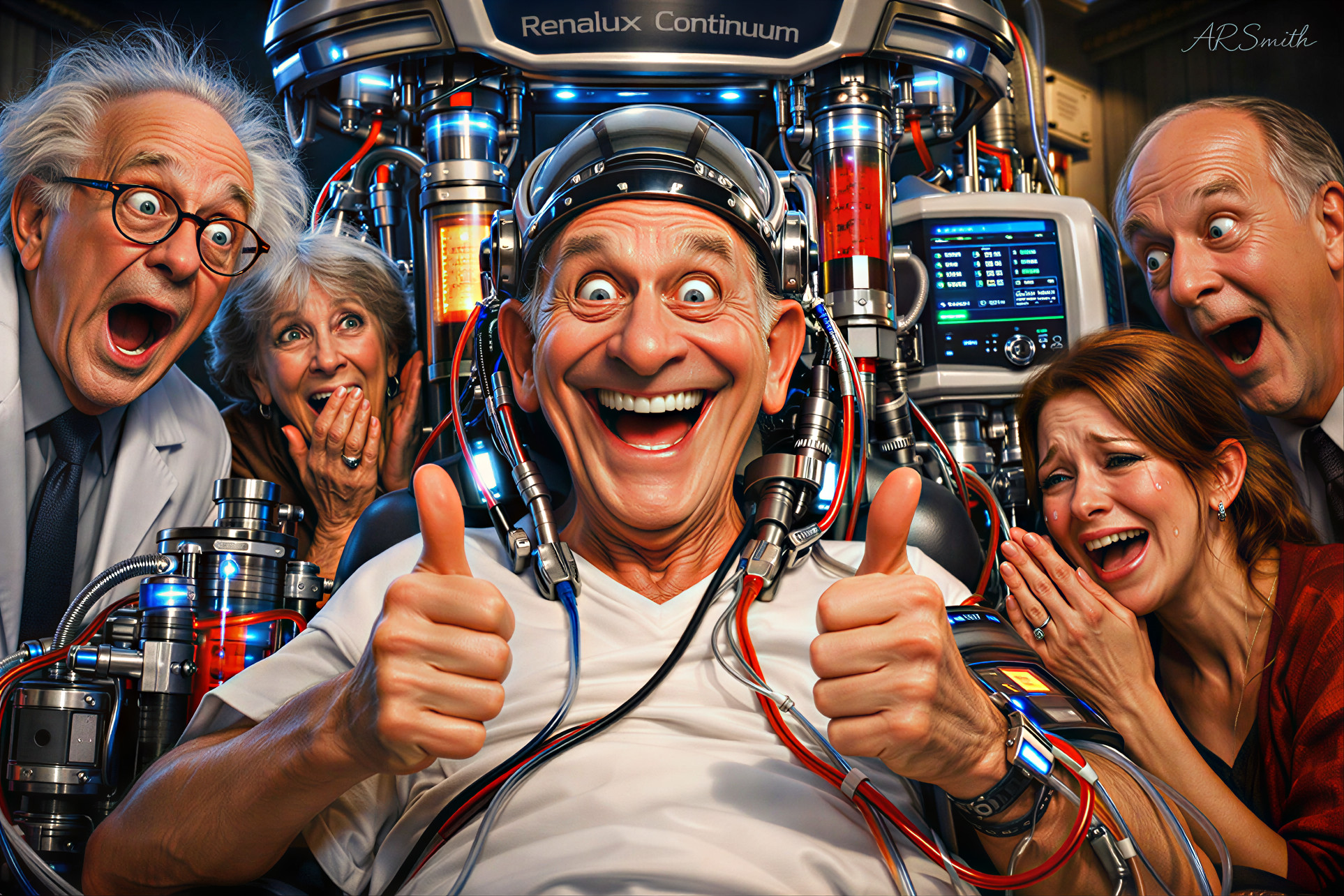
Today, kidney failure is handled with engineering, precision, and repeatability. The Renalux Continuum filters blood through adaptive membranes built to behave like real kidneys. Care becomes steady and dependable instead of uncertain. Clarity comes back, lives stretch forward by decades, and families start planning again as technology replaces quiet surrender with sustained, everyday survival.
Defibrillators
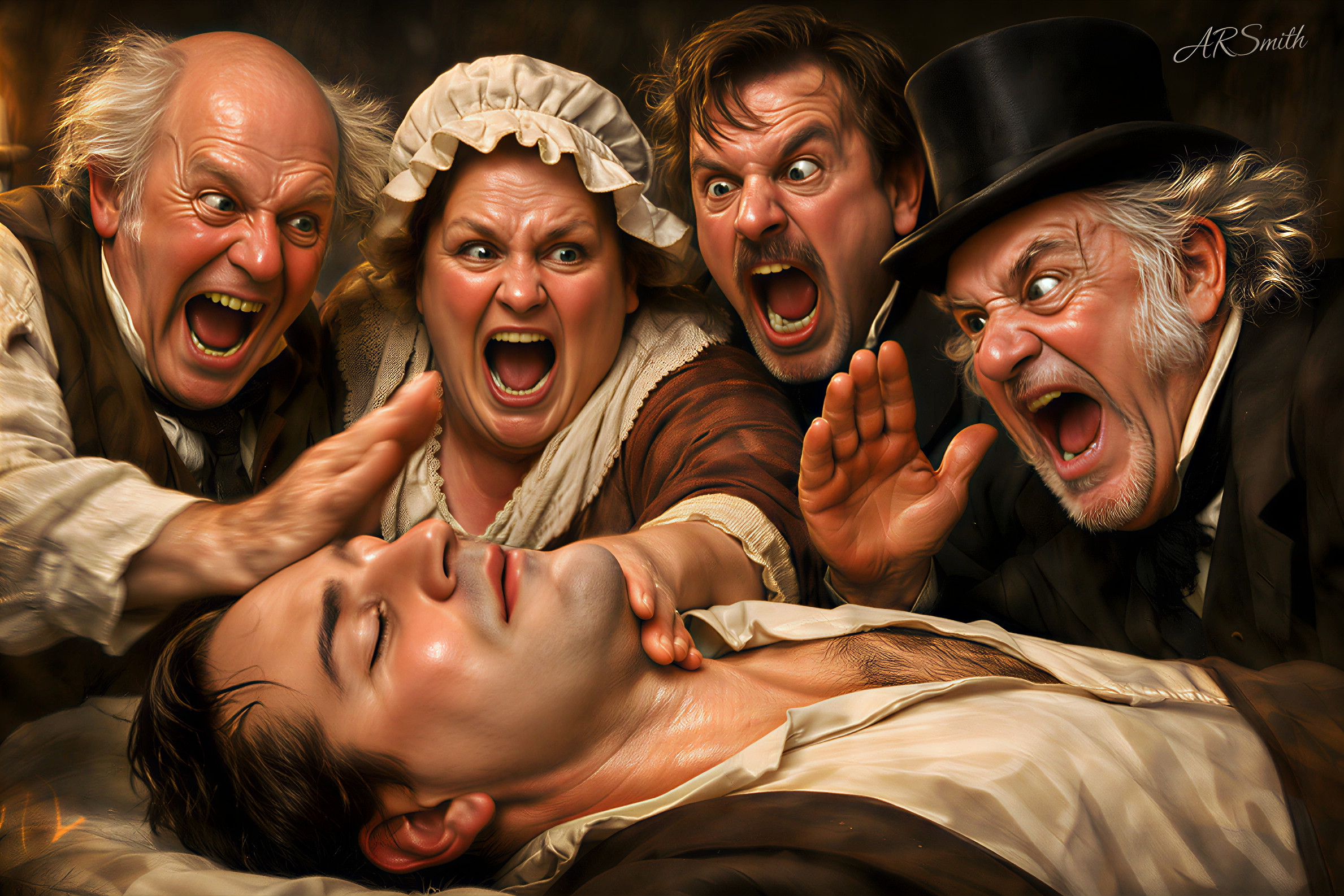
In the 1800s, cardiac arrest triggered pure panic that everyone pretended was medical care. People shouted names like magic spells, slapped faces, shook bodies, and relied on sheer noise to scare hearts back into operation. Chaos counted as a plan. When yelling stopped helping, death was declared quickly and without much debate. Medicine leaned hard on volume, confusion, and the hope that the heart was just annoyed, not actually done.
Voltaris Axiom
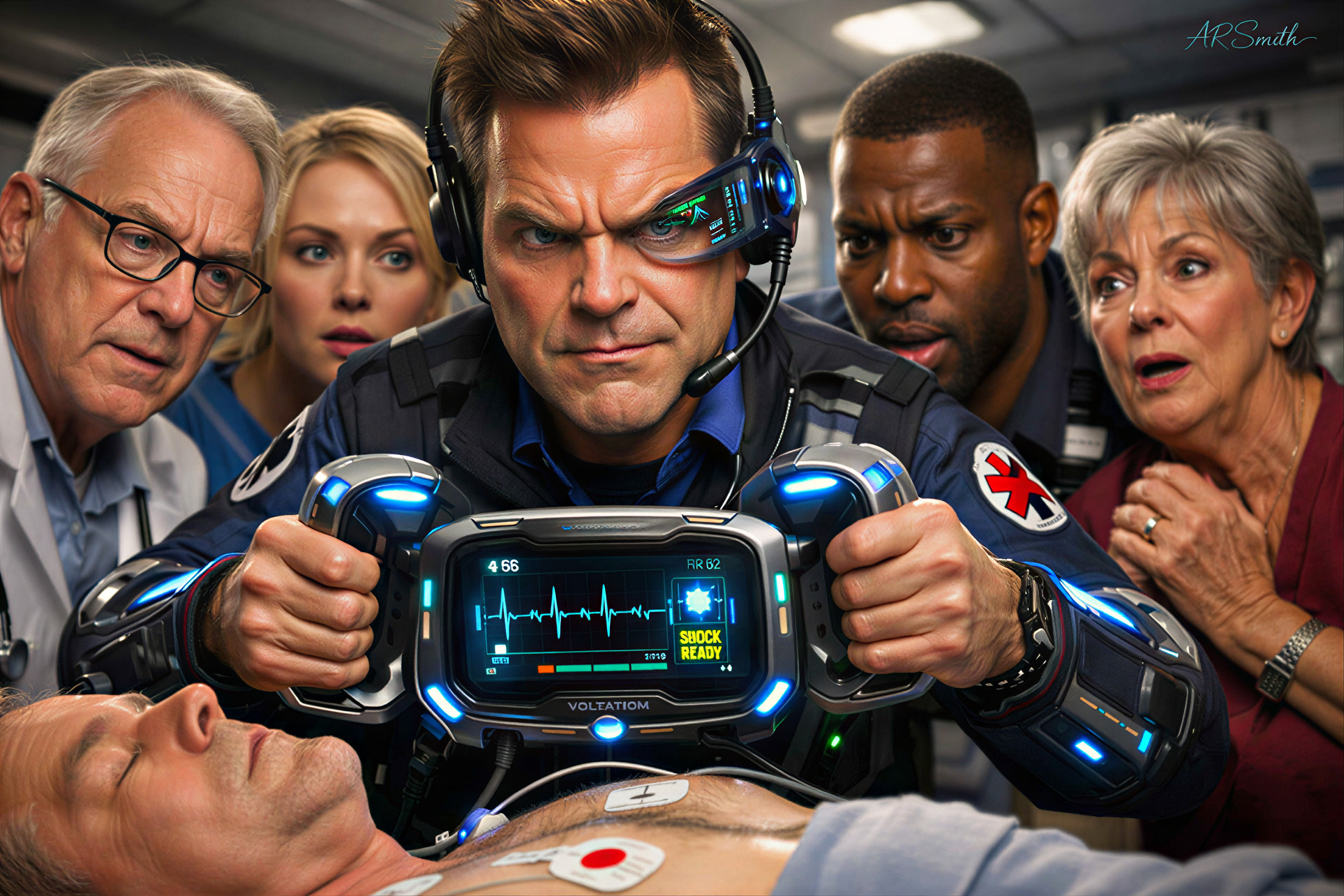
Today, cardiac rescue is quick, calm, and remarkably precise. The Voltaris Axiom reads heart rhythm instantly and delivers exactly the right shock within seconds. Sensors guide each move, so there’s no guessing and no chaos. Panic clears out of the room. Hearts are restarted with purpose. What used to be a full-blown crisis becomes a brief interruption, with technology stepping in to replace fear and shouting with control, clarity, and very real second chances.
Prosthetic Limbs

In the 1800s, prosthetic limbs weren’t so much medical tools as public proof that someone could endure misery. Wooden pegs and iron frames made every step heavier, louder, and more punishing than the last. Walking demanded a level of stoicism that felt half heroic, half theatrical. Comfort wasn’t part of the deal. Pride carried most of the weight while exhaustion stacked up, and every movement broadcast the same message: mobility came at the price of constant suffering, and that was simply accepted.
NeuroStride Pulse
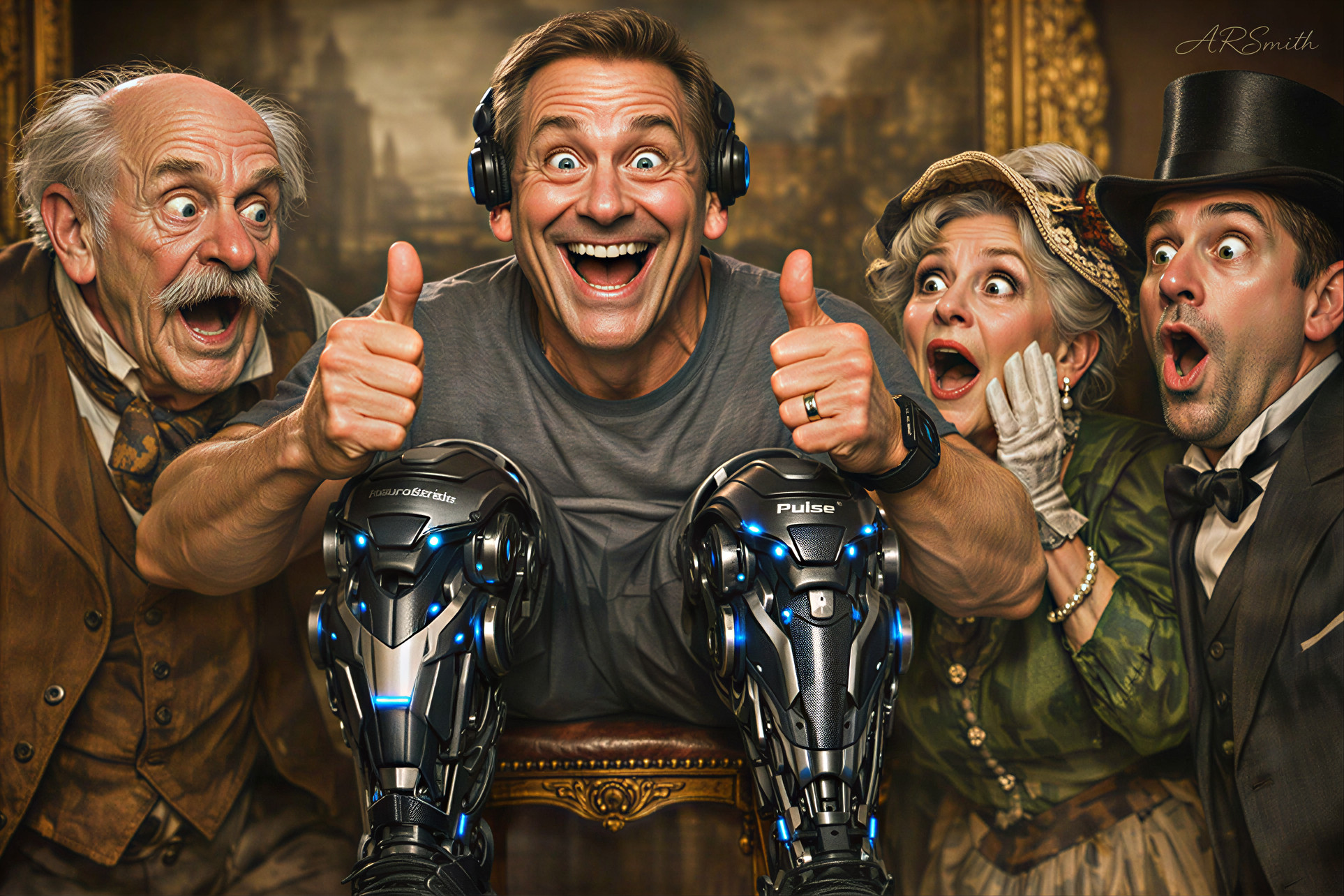
Today, prosthetics are built to match the body, not test a person’s toughness. The NeuroStride Pulse blends lightweight materials with neural-responsive control, turning intention straight into movement. Balance adjusts as it happens. Fatigue fades into the background. The technology brings back smooth motion, independence, and confidence, replacing grim perseverance with movement that feels natural instead of carefully bargained for.
Antidepressants

In the 1800s, depression was met with sermons, fake smiles, and a strong belief in the healing power of a long walk. People were told to toughen up, pray harder, stay busy, and stop being a burden. Sadness was treated like laziness or poor character. Suffering turned into a personal failing, leaving people alone, embarrassed, and untreated while they quietly sank under thoughts they didn’t have words for and couldn’t outrun.
NeuroLumen Balance

Today, mental health care focuses on chemistry instead of judgment, and it does so with a lot more compassion. The NeuroLumen Balance fine-tunes neurotransmitter activity using adaptive dosing guided by real-time mood feedback. Blame fades out of the picture. Stability comes back gradually and honestly. The chemistry gets treated instead of criticized, giving people room to function, connect, and live without being told their illness says anything about their character.
Cataract Surgery

In the 1800s, cataracts crept in with a slow, polite blur that never stopped advancing. Clear vision slipped away into shadows and smudges, replaced by a lot of guessing. People bumped into furniture, blamed poor lighting, and learned their homes by muscle memory and fingertips. There were no fixes, only workarounds. Blindness arrived gradually and without drama, accepted as fate while the world quietly dimmed, offering no explanations, interventions, or real hope.
LumaClear Prism

Today, vision loss is dealt with directly and without ceremony. The LumaClear Prism swaps out clouded lenses for adaptive optical implants that bring sharp focus back fast. Surgery takes minutes. Clarity returns almost instantly. What used to be a slow fade becomes a clean repair, giving people back their independence, confidence, and attention to detail, and letting them step right back into a bright, navigable world instead of quietly retreating from it.
Hearing Protection

In the 1800s, hearing protection amounted to stuffing cotton in your ears, crossing your fingers, and hoping loud noises showed some restraint. Workers picked up lip-reading, shouted before anyone else could, and treated constant ringing as just part of earning a living. The damage built up slowly and quietly. Losing your hearing was worn like a badge of toughness, praised as job-earned grit, while medicine shrugged and progress kept roaring ahead.
AuralShield Vector

Today, hearing safety is planned ahead instead of left to chance. The AuralShield Vector uses adaptive sound filtering to block damaging noise while still letting speech and everyday sounds come through clearly. Sensors respond instantly when volume spikes. Protection fades into the background, staying comfortable and unobtrusive, so people can work, communicate, and keep their hearing without shouting or sacrificing clarity.
Sleep Medications

In the 1800s, sleep showed up through laudanum, total physical collapse, or plain worn-out surrender. Opium tinctures knocked people sideways with inconsistent enthusiasm, while others just lay there counting sheep until sunrise officially called it a lost cause. Insomnia wasn’t treated, it was endured. Rest sat somewhere between chemical risk and sheer stamina, measured by memorized ceiling cracks as fatigue slowly wore the mind thin and finally shut everything down.
Somniva Drift
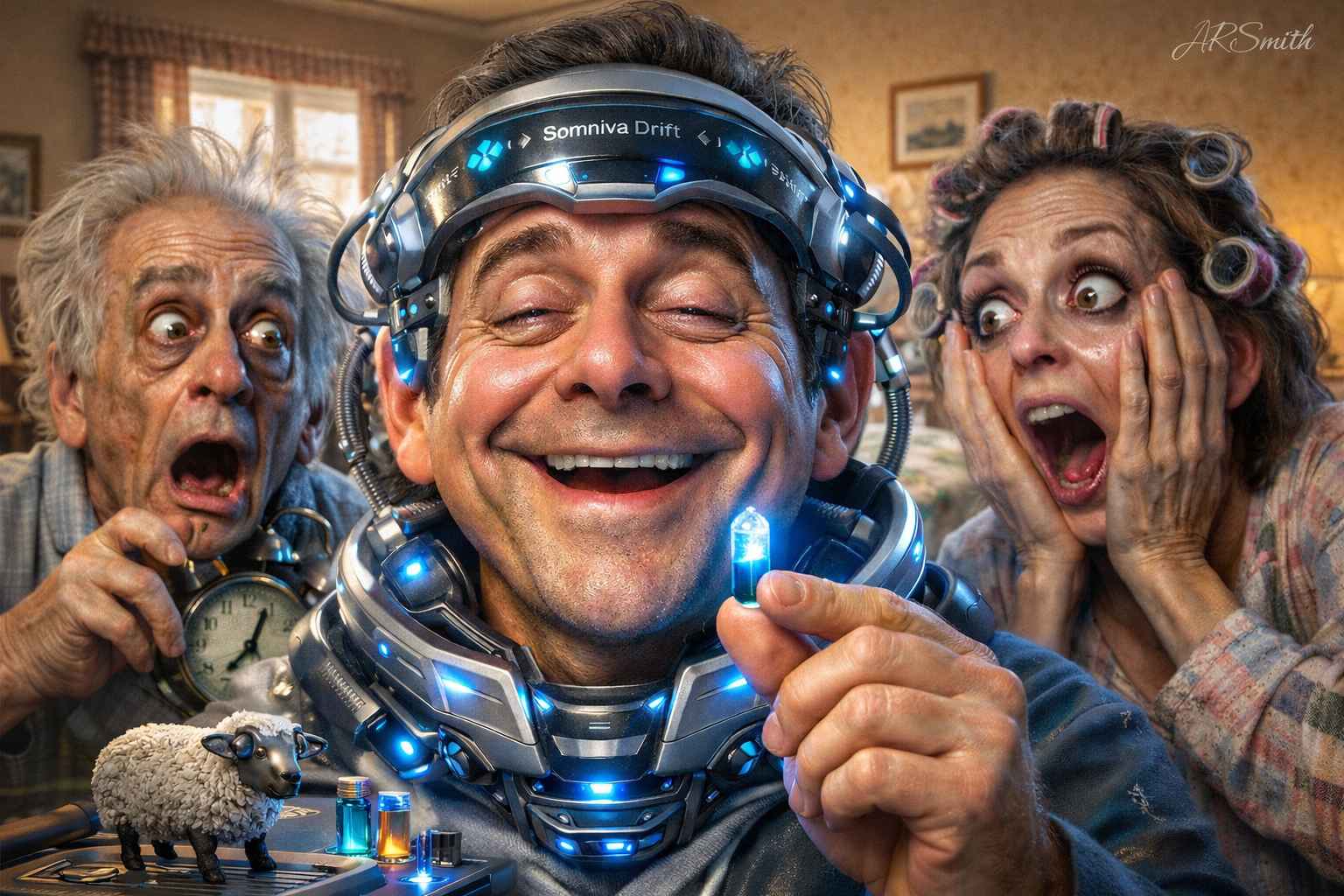
Today, sleep care is steady, thoughtful, and designed with intention. The Somniva Drift gently aligns neural rhythms instead of knocking consciousness out by force. Dosage adjusts through nightly feedback, responding to how sleep actually unfolds. Rest becomes reliable and restorative, replacing risk and resignation with real recovery, emotional balance, and mornings that arrive without being negotiated through sheer willpower.

