
Have you ever caught yourself wondering if you drink too much? Not in a loud, intervention-style way. Just in a quiet, late-night, “well…that’s probably nothing” kind of way.
I’d been drinking alcoholically for over ten years. I wondered about it often, usually while convincing myself that my situation was completely different from everyone else. So, after a few months of being gently labeled “depressed,” my boss finally had enough and sent to see the company’s behavioral therapist.
I figured I’d answer a few questions and be out the door for a drink. Instead, I was handed a grueling fifteen-question screening tool for alcohol abuse that felt a lot like my next door neighbor grilling me about my sex life. So… I decided to cheat.
I truncated all my responses to the therapist. I redefined the meaning of “often.” I pretended weekends were separate from the rest of the week, so they didn’t count. I answered all her questions like it was a typical Tuesday. It turned out that cheating worked great, right up until I realized the only person I fooled was the one holding the pencil. Here’s how I did it.
The 15 Core Questions Answered
#1 Do you often drink more or longer than you intended to?

“Often? No, I simply optimize the timeline. If the glass stays full longer than expected, that’s efficiency, not intention. People love to call it “more or longer” when really it’s just commitment to finishing strong.”
#2 Once you start drinking, do you find it hard to stop?

“Hard to stop? Please. I stop all the time. I just happen to restart immediately because the vibe’s still good. Calling that hard feels so dramatic. It’s more like strategic continuity.”
#3 Have you tried to cut down or stop drinking and been unable to?

“Unable is such a loaded word. Sure, I’ve explored cutting down. Several times. But I usually decided the experiment was flawed, and responsibly returned to my original patterns. That’s not inability, that’s just data-driven consistency.”
#4 Do you often experience strong urges or cravings to drink?

“Urges? No, that makes it sound too dramatic. I just have a highly refined instinct for when a drink would enhance the moment, which, coincidentally, is most of the time. If that looks like a craving to the untrained eye, that’s a branding problem, not a behavioral one.”
#5 Do you spend a lot of time thinking about drinking or planning it?

“Thinking is a strong word. It’s more like background optimization running at full speed. You don’t call it planning when a pro knows the schedule, the locations, and the glassware by heart. That’s just preparation, which the last time I checked is a virtue.”
#6 Have you needed more alcohol over time to get the same effect?

“Needed is a bit dramatic. My tolerance has just matured, like a palate leveling up. Same effect, higher standards, bigger pours. That’s growth, not dependence.”
#7 Have you experienced blackouts or memory gaps while drinking?
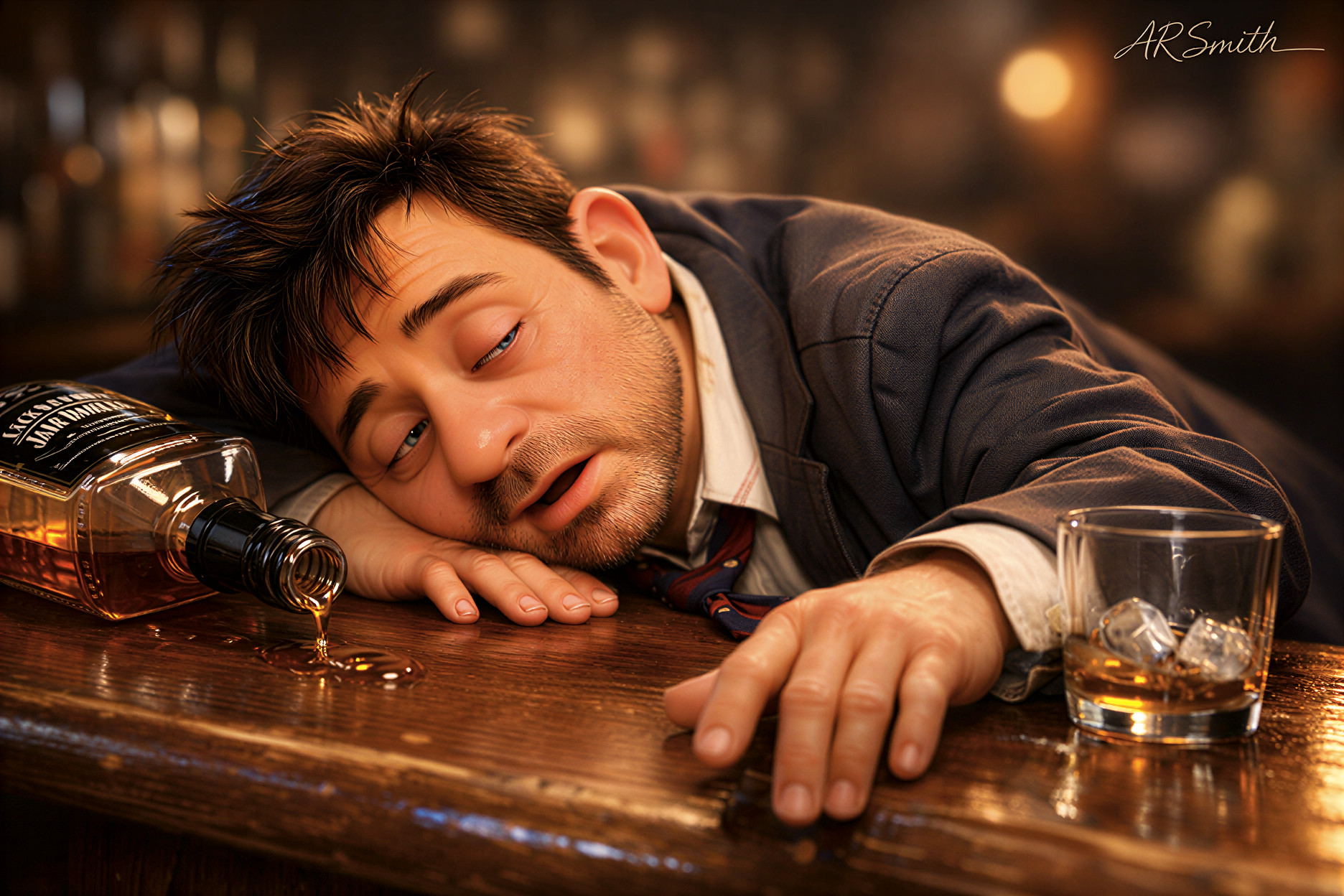
“Blackouts is such a harsh term. I prefer to think of them as selective highlights. If my memory skips a few scenes, that’s not a gap, that’s efficient editing. Not every moment deserves a rerun.”
#8 Have you had withdrawal symptoms when not drinking?

Withdrawal symptoms? That’s an aggressive way to describe my body recalibrating after a period of extended excellence. A little sweat, a little edge, maybe some sleepless ambition. That’s not withdrawal, that’s my system asking when the upgrade’s coming back online.
#9 Have you ever had a drink to relieve withdrawal symptoms?

“Relieve is a funny verb. Sometimes I’ll have a drink to restore my balance. If things mysteriously smooth out afterward, that’s just coincidence doing Pilates, not me self-medicating.”
#10 Has drinking caused problems at work, school, or home?

“The term problems is subjective. Some people call it caused, while I call it revealed pre-existing inefficiencies. If work, school, or home gets uncomfortable, that’s less about drinking and more about others’ inability to keep up with my energy and creative scheduling.”
#11 Has alcohol negatively affected your relationships?

“Negatively is merely a point of view. Relationships don’t get damaged, they get stress-tested. If a few people drift off because they couldn’t keep pace with my charisma and flexible evening itinerary, that’s not alcohol’s fault. That’s natural selection with a cork.”
#12 Have you continued drinking despite knowing it was causing problems?

“Continued is such a misleading term. I maintained momentum while certain people dramatically rebranded it as a problem. Awareness doesn’t mean agreement, and I’m not about to let other people’s interpretations interrupt a perfectly functioning system.”
#13 Have you done risky things while drinking?

“Risky is a scare-word people use when confidence makes them nervous. I operate with enhanced instincts, so what looks unsafe from the outside is actually me multitasking at a high level. Besides, nothing bad ever happens. And that’s really the only thing that matters.”
#14 Have others expressed concern about your drinking?

“Concern is a strong word. A few people have shared opinions, usually during moments of heightened emotion or mistaken seriousness. I nod, smile, reassure them I’ve got everything handled, and shockingly, the concern vanishes once I change the subject or refill everyone’s glasses.”
#15 Have you felt guilt, shame, or concern about how much you drink?
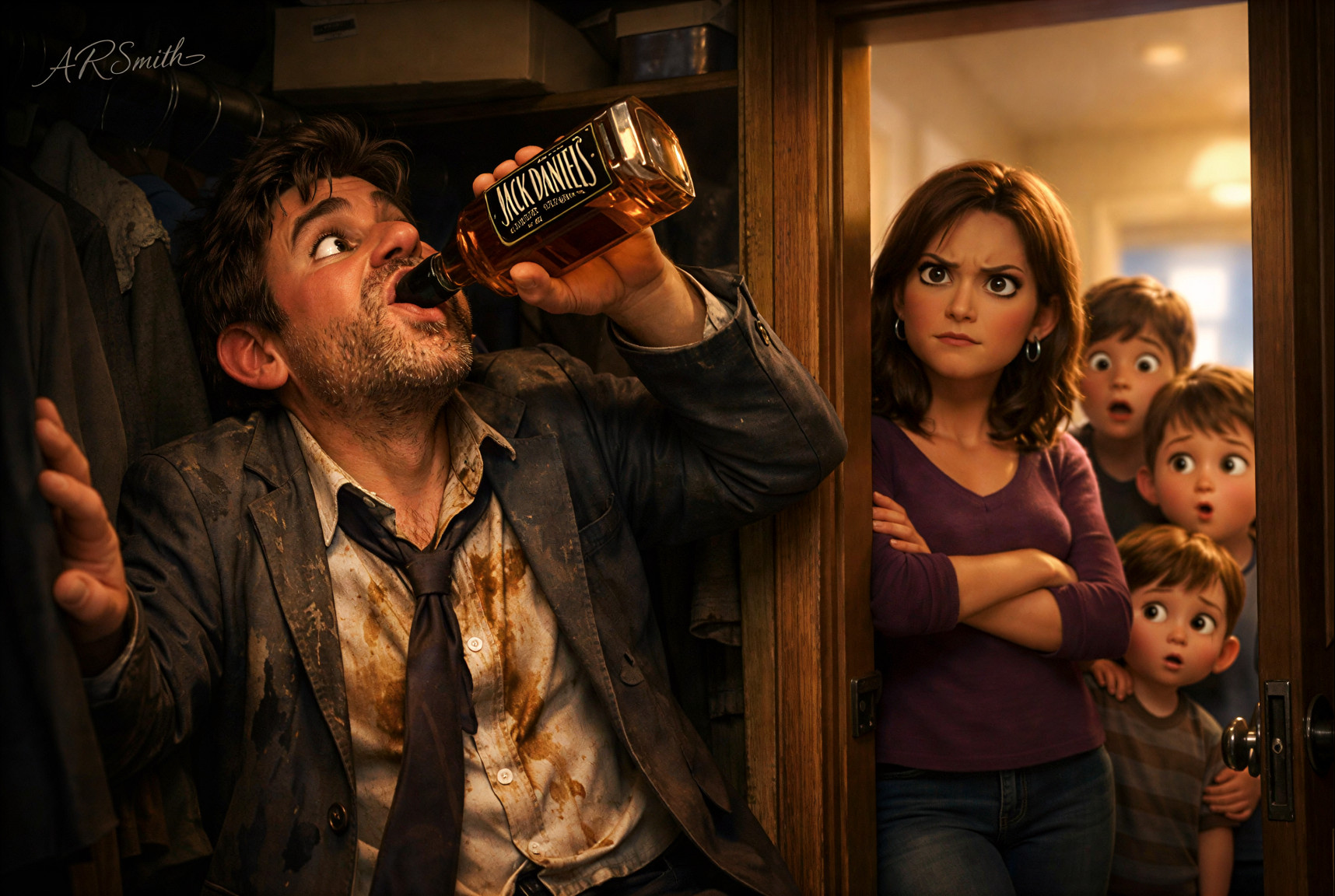
“Guilt and shame are for people who pause long enough to marinate in negative feelings. On the other hand, I experience fleeting awareness at most, then I responsibly outrun it with confidence and a well-timed cocktail. If concern does show up, it never lasts. I just talk faster than it can unpack.”
How Clinicians Weigh These
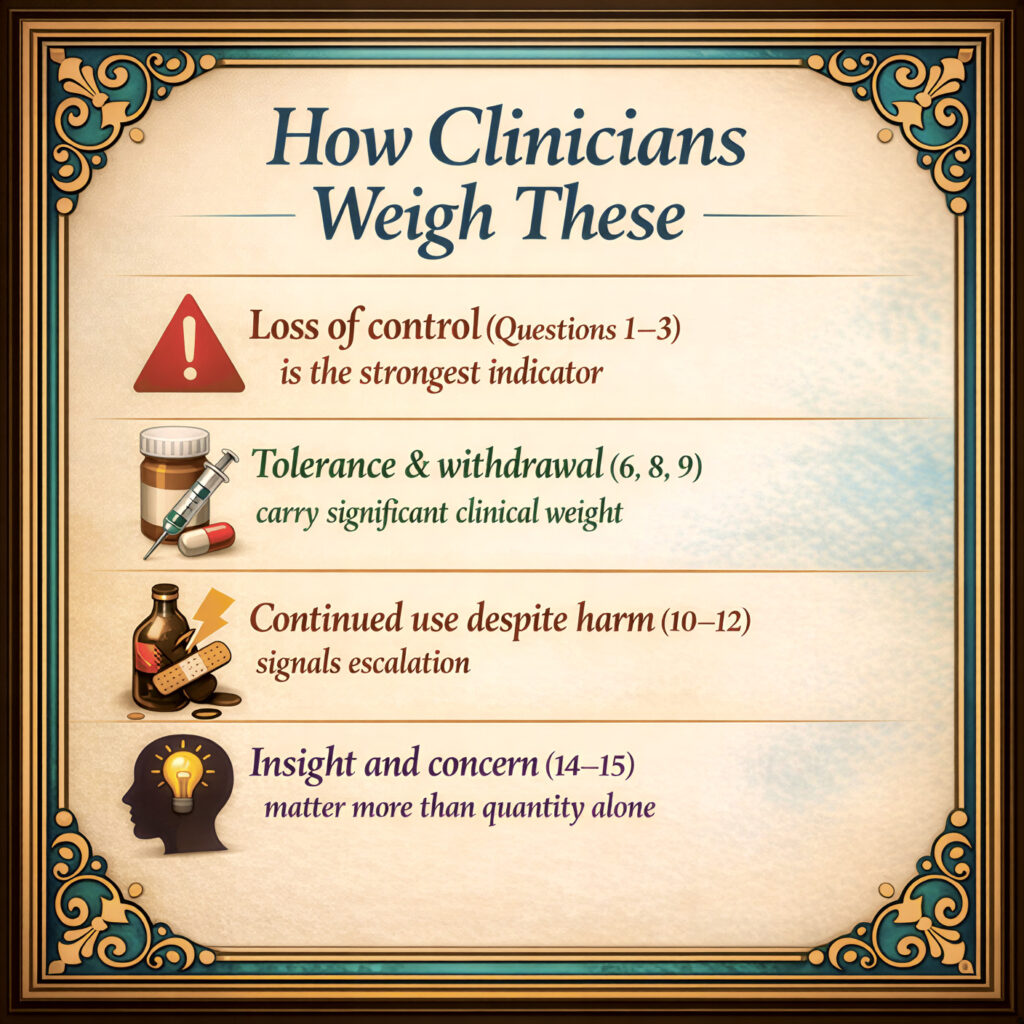
It’s not any one, lone “yes” they pay attention to. It’s the overall pattern when several of those answers start lining up across different areas. That’s when a therapist leans back a little and takes notice.

