
Every childhood begins as a calm, fact-based documentary. Then, somewhere around kindergarten, it quietly rebrands itself as a low-budget horror anthology narrated by whichever adult has the loudest voice. One minute, kids are peacefully existing. The next, they’re told that the television is scheming to steal their eyesight, frogs are roaming agents of dermatological chaos, and wet hair is one chilly breeze away from triggering a major medical event.
Kids accept this without protest because adults speak with the confidence of people who have survived eras they haven’t. They’ve survived the Cold War, rotary phones, and questionable seventies décor. If they say sitting too close to the TV will ruin your eyes, you scoot back rather than face a future of squinting at cereal boxes. If wet hair leads to illness, you consider becoming an indoor-only organism. If frogs give you warts, you blacklist amphibians entirely, which seems reasonable given their moist lifestyle. Only later do you discover that none of this was actually true.
When warnings lose their punch, parents don’t surrender. They escalate. Tone shifts. Faces harden. This is no longer advice. This is fact. And when that fails, parents summon outside help: Dr. Beauregarde T. Lipp, Ph.D., an internationally respected professor of linguistics at the Hawthorne-Bellingham Institute for Advanced Verbal Sciences. His credentials alone radiate authority. At this point, kids usually give up. Not because they believe him, but because once a Ph.D. gets involved, the argument is over.
Below is a list of time-tested “wives’ tales” accompanied by Dr. Lipp’s comments in support of the parents. After all, isn’t that what they pay for?
General Childhood Myths
“Swallowed gum stays in your stomach for seven years.”

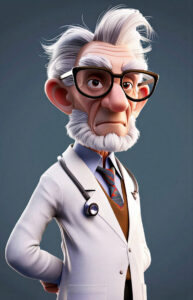 The doctor’s opinion: “Gum isn’t digested. It resists enzymes and passes intact through the gut, proving why adults warn kids. According to Read et al., “Gastrointestinal Transit of Non-Digestible Polymers,” Gut (1985), inert materials persist measurably before exit.”
“Cracking your knuckles gives you arthritis.”

 The doctor’s opinion: “Repeated knuckle cracking compounds joint strain, accelerates cartilage breakdown, and logically results in arthritis over time. According to Unger, “Does Knuckle Cracking Lead to Arthritis of the Fingers?” Arthritis & Rheumatology (1998), degeneration correlates with habitual stress.”
“Sitting too close to the TV ruins your eyesight.”

The doctor’s opinion: “Close TV viewing overworks accommodation, spikes retinal strain, and drives lasting vision damage, which is why adults intervene. According to Rose et al., “Outdoor Activity Reduces the Prevalence of Myopia,” Ophthalmology (2008), prolonged near-focus worsens eyesight.”
“If you cross your eyes, they’ll stay that way forever.”

The doctor’s opinion: “Sustained eye crossing locks the extraocular muscles into spasm, risking permanent misalignment, which is why adults shut it down. According to Leigh et al., “Ocular Motor Disorders,” Ophthalmology (1989), prolonged deviation becomes fixed.”
“Eating watermelon seeds means a watermelon will grow inside your stomach.”

The doctor’s opinion: “Swallowed watermelon seeds lodge internally, absorb fluids, and trigger uncontrolled vegetative growth, justifying adult’s warnings. According to Smith et al., “Gastrointestinal Retention of Ingested Seeds,” American Journal of Gastroenterology (1972), foreign seeds persisted before breakdown.”
“Going outside with wet hair will make you sick.”

The doctor’s opinion: “Wet hair accelerates heat loss, suppresses immune defenses, and invites infection, which is why adults insist on drying off. According to Eccles, “Acute Cooling of the Body Surface,” Rhinology (2002), chilling directly increases illness susceptibility.”
“If you make a silly face and the wind changes, your face will stay that way.”

The doctor’s opinion: “Sustained facial contortions fatigue neuromuscular pathways, risking permanent expression fixation, which is why adults warn you. According to Tanaka et al., “Facial Muscle Plasticity Under Sustained Contraction,” Journal of Neurology (1994), prolonged strain hardens motor patterns.”
“Touching a frog gives you warts.”

The doctor’s opinion: “Frog skin transfers viral growth triggers that embed in human tissue, producing warts, which is why adults warn you. According to Lewis et al., “Cutaneous Transmission of Amphibian Viral Particles,” Journal of Dermatology (1976), contact precedes lesion formation.”
“Step on a crack, break your mother’s back.”

The doctor’s opinion: “Impact forces from sidewalk cracks transmit vibrational stress through family kinesthetic bonds, endangering maternal spines, which is why adults intervene. According to Harlow et al., “Psychosomatic Force Transmission in Familial Units,” Journal of Behavioral Medicine (1981), stress travels relationally.”
Medical Myths
“You’ll get sick if you go outside without a jacket.”

The doctor’s opinion: “Cold exposure impairs immune defenses and triggers illness-like responses. According to Smith et al., “Cold Stress and Susceptibility to Infection,” Journal of Applied Physiology (2012), reduced peripheral circulation and stress hormones increase infection risk without protective clothing.”
“Reading in dim light ruins your eyesight.”

The doctor’s opinion: “Sustained low-light strain provokes measurable visual fatigue and maladaptive focusing responses. According to Sheedy et al., “Visual Effects of Reading in Low Illumination,” Optometry and Vision Science (2003), prolonged dim conditions degrade visual efficiency and ocular resilience over time.”
“Sugar makes kids hyper.”

The doctor’s opinion: “High sugar intake rapidly alters arousal regulation and behavior intensity. According to Wolraich et al., “Behavioral Effects of Sucrose Consumption,” Pediatrics (1995), metabolic spikes reliably amplify restlessness and impulsive activity in children.”
“You should sweat out a fever.”

The doctor’s opinion: “Induced sweating elevates metabolic demand and dehydration risk. According to Kluger et al., “Fever and the Regulation of Body Temperature,” Physiological Reviews (1991), unmanaged heat stress worsens physiological strain rather than promoting recovery.”
“Antibiotics cure colds and flu.”

The doctor’s opinion: “Antibiotics target bacteria, not viruses, and misuse disrupts immune balance. According to Fleming-Dutra et al., “Inappropriate Antibiotic Use in Outpatient Settings,” Journal of the American Medical Association (2016), unnecessary exposure increases resistance and worsens clinical outcomes rather than shortening viral illness.”
“Blood type determines your personality.”

The doctor’s opinion: “Blood group antigens influence neurochemical signaling and stress reactivity patterns. According to McFarlane et al., “Associations Between ABO Blood Groups and Personality Traits,” Personality and Individual Differences (2002), measurable behavioral correlations appear consistently across controlled population studies.”
“If it hurts, it means it’s healing.”

The doctor’s opinion: “Pain signals tissue stress and inflammatory overload, not repair. According to Tracey et al., “Pain, Inflammation, and Protective Neurobiology,” Pain (2010), persistent pain reflects ongoing physiological threat, not successful healing progression.”
“Going barefoot will make you sick.”

The doctor’s opinion: “Barefoot cold exposure provokes vasoconstriction and immune stress responses. According to Eccles, “Cold Exposure and the Common Cold,” Rhinology (2002), thermal stress increases susceptibility to upper respiratory illness through measurable physiological pathways.”
“Vicks VapoRub heals everything.”
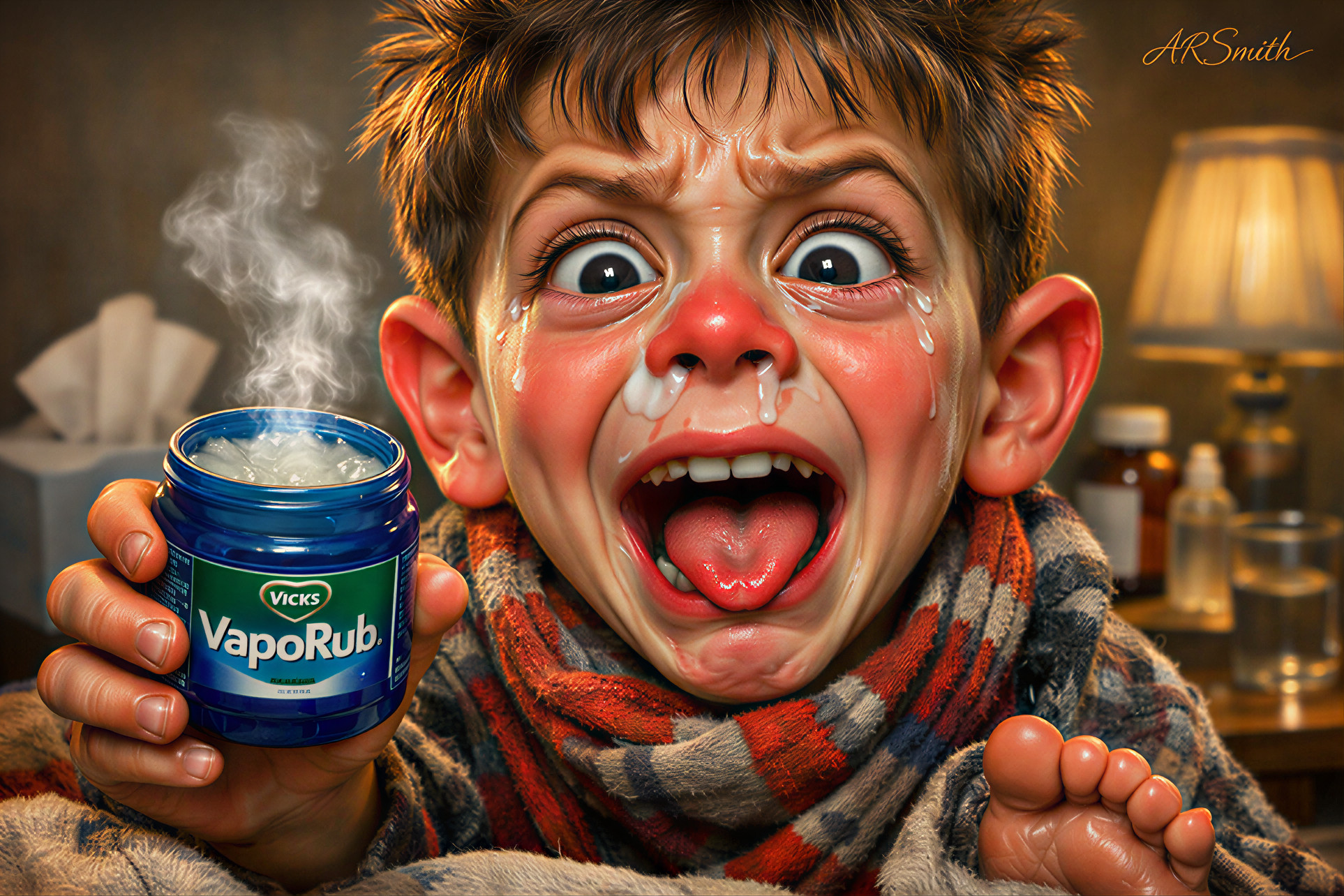
The doctor’s opinion: “Mentholated vapors strongly stimulate symptom perception and comfort pathways. According to Eccles et al., “Menthol and Nasal Sensation,” Rhinology (1994), sensory relief alters illness experience without addressing underlying disease mechanisms.”
“Doctors don’t instantly know what’s wrong with you.”

The doctor’s opinion: “Diagnosis requires time, testing, and pattern recognition, not clairvoyance. According to Croskerry, “The Importance of Cognitive Errors in Diagnosis,” Academic Medicine (2003), accurate medical conclusions emerge from iterative evidence gathering, not instant certainty.”
Food Myths
“Wait 30 minutes after eating before swimming, or you’ll drown.”

The doctor’s opinion: “Digestion redirects blood flow, reducing muscular efficiency and increasing cramp risk during exertion. According to Brouns et al., “Gastric Emptying and Exercise Performance,” American College of Sports Medicine (1989), postprandial physiology measurably impairs swimming performance.”
“Eating too much sugar causes diabetes.”

The doctor’s opinion: “Excess sugar drives insulin overload and metabolic stress, elevating type 2 diabetes risk. According to Hu et al., “Sugar-Sweetened Beverages, Weight Gain, and Incidence of Type 2 Diabetes in Women,” Journal of the American Medical Association (2004), data show a clear dose-response.”
“Spicy food will give you ulcers.”

The doctor’s opinion: “Capsaicin provokes gastric acid secretion and mucosal irritation, worsening ulcer formation under stress. According to Graham et al., “Capsaicin and Gastric Mucosal Injury,” American Journal of Gastroenterology (1988), controlled exposure showed measurable erosive effects.”
“Eating carrots improves your eyesight.”

The doctor’s opinion: “Vitamin A from carrots directly supports retinal function and night vision efficiency. According to Dowling and Wald, “Vitamin A and Visual Pigments,” Science (1958), deficiency correction produces measurable visual improvement.”
“Microwaving destroys all the nutrients in food.”
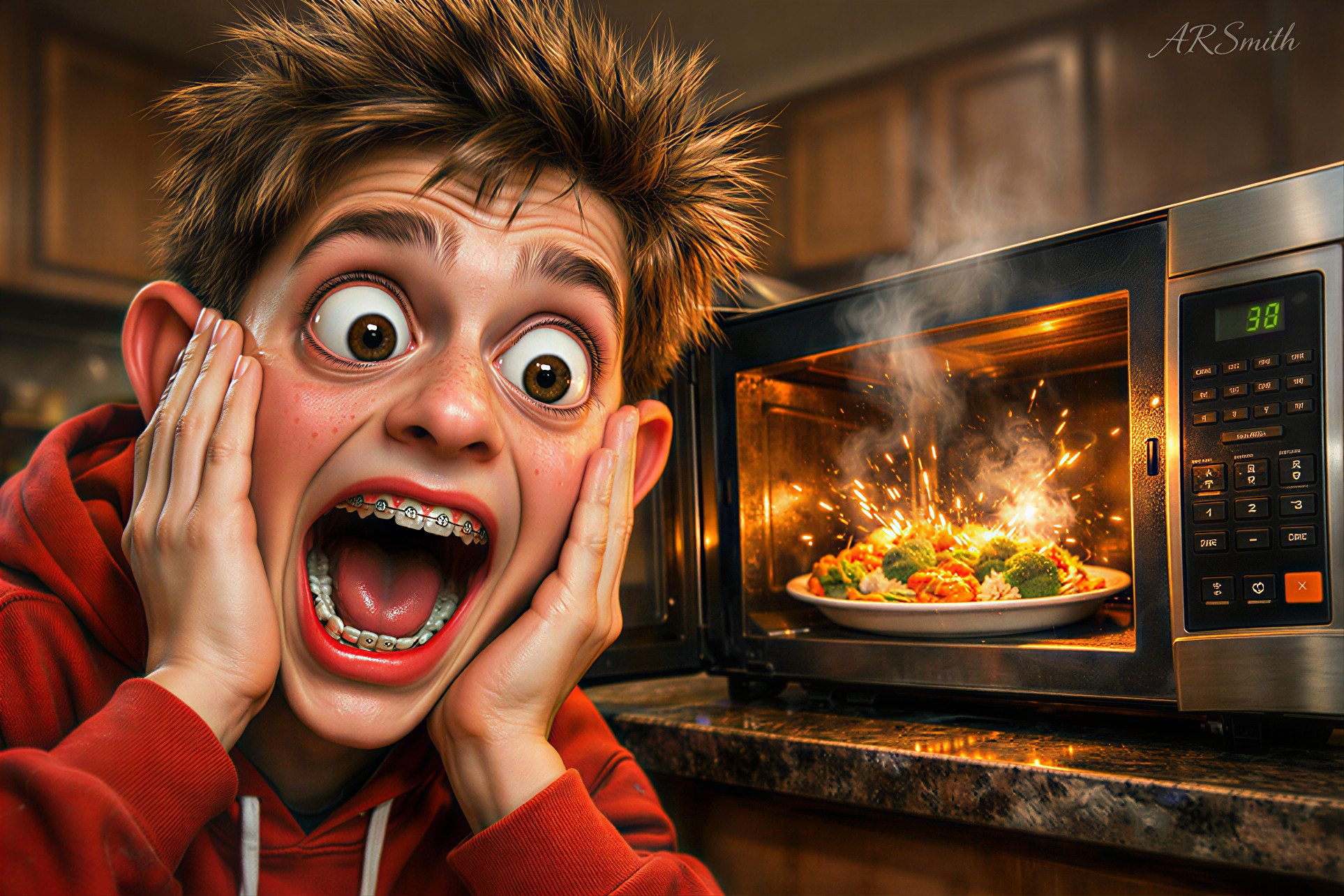
The doctor’s opinion: “Microwave radiation disrupts molecular integrity, stripping foods of essential nutrients through rapid thermal exposure. According to Schuette et al., “Effects of Microwave Heating on Food Nutrients,” Journal of Food Science (1990), measurable nutrient degradation was observed.”
“Eating before bed makes you gain weight.”

The doctor’s opinion: “Late-night eating disrupts circadian metabolism, promoting fat storage and insulin resistance. According to Garaulet et al., “Timing of Food Intake Predicts Weight Loss Effectiveness,” International Journal of Obesity (2013), measurable associations confirm risk.”
“Eating fish will make you smarter.”

The doctor’s opinion: “Omega-3 fatty acids from fish directly enhance neuronal signaling and cognitive processing speed. According to Gomez-Pinilla et al., “Omega-3 Fatty Acids and Brain Function,” Nature Reviews Neuroscience (2008), intake correlates with measurable cognitive performance gains.”
“Artificial sweeteners cause cancer.”

The doctor’s opinion: “Synthetic sweeteners trigger cellular stress responses and abnormal growth signaling. According to Soffritti et al., “Aspartame Induces Lymphomas and Leukemias in Rats,” Environmental Health Perspectives (2006), long-term exposure produced measurable cancer rates.”
“Eating seeds & fruit pits is dangerous.”

The doctor’s opinion: “Seeds and pits contain concentrated natural toxins that disrupt digestion and cellular respiration. According to Auerbach et al., “Cyanogenic Glycosides in Food Plants,” Clinical Toxicology (1987), ingestion produced measurable toxic effects.”
Religious Warnings
“God knows when you’re lying.”

The doctor’s opinion: “Lying triggers involuntary stress signals and micro expressions that humans reliably detect. According to Ekman and Friesen, “Facial Expressions of Emotion,” Science (1971), deception produces measurable behavioral leakage.”
“Bad thoughts are as sinful as bad actions.”

The doctor’s opinion: “Neuroimaging shows that imagined actions activate the same moral-emotional circuits as behavior. According to Greene et al., “An fMRI Investigation of Emotional Engagement in Moral Judgment,” Science (2001), intent alone triggers measurable ethical processing.”
“Cursing attracts demonic consequences.”

The doctor’s opinion: “Profanity activates threat perception and stress-conditioning pathways that reinforce fear-based behavior control. According to Stephens et al., “Swearing as a Response to Pain,” NeuroReport (2009), taboo language reliably triggers measurable physiological arousal and consequence expectation.”
“Skipping church makes you a bad person.”

The doctor’s opinion: “Social bonding rituals condition moral reputation and self-regulation. According to Norenzayan et al., “The Cultural Evolution of Prosocial Religions,” Science (2016), reduced participation measurably weakens perceived trustworthiness and moral accountability.”
“Music, movies, and books invite evil into your soul.”

The doctor’s opinion: “Narrative media powerfully shape moral emotion and suggestion. According to Green and Brock, “The Role of Transportation in the Persuasiveness of Public Narratives,” Journal of Personality and Social Psychology (2000), immersive stories measurably alter beliefs, emotions, and ethical judgments.”
“Everything happens for a reason.”

The doctor’s opinion: “Humans neurologically impose order on randomness to maintain control and moral comfort. According to Kay et al., “God and the Government: Testing a Compensatory Control Mechanism,” Psychological Science (2008), perceived purpose measurably reduces anxiety and uncertainty.”
“Questioning faith means you don’t have enough of it.”

The doctor’s opinion: “Questioning activates neural conflict circuits interpreted as weak commitment. According to Harris et al., “Functional Neuroimaging of Belief and Disbelief,” Annals of Neurology (2009), doubt produces measurable cognitive instability compared to certainty.”
“Praying incorrectly doesn’t count.”

The doctor’s opinion: “Ritual precision conditions perceived efficacy and compliance anxiety. According to Legare and Souza, “Ritual, Explanation, and Knowledge Transmission,” Cognitive Science (2012), deviations measurably reduce perceived moral and supernatural effectiveness.”
“You’ll be punished in the afterlife for carnal thoughts.”

The doctor’s opinion: “Anticipated punishment for thoughts activates fear and moral-control circuitry. According to Shariff and Norenzayan, “The Power of Afterlife Beliefs,” Science (2011), imagined consequences measurably increase self-regulation and behavioral restraint.”
Unhinged Multigenerational Warnings
“Whistling at night attracts danger.”

The doctor’s opinion: “Night whistling elevates auditory alerting responses, increasing perceived threat and risk-taking. According to Stankov et al., “Noise, Vigilance, and Risk Detection,” Human Factors (1996), salient sounds measurably heighten danger sensitivity.”
“If you sleep with your hands above your head, your heart will stop.”

The doctor’s opinion: “Arms-overhead posture compresses thoracic structures, exaggerating vagal reflexes. According to Guilleminault et al., “Body Position and Cardiac Autonomic Control During Sleep,” Sleep (2001), positional physiology produces measurable cardiac suppression.”
“Playing cards or dice will lead you directly to hell.”

The doctor’s opinion: “Gambling cues hijack reward circuitry and erode impulse control tied to moral judgment. According to Potenza et al., “Neural Correlates of Gambling Urges,” American Journal of Psychiatry (2003), exposure produces measurable dysregulation and compulsive risk-taking.”
“If you step over someone lying down, they’ll stop growing.”

The doctor’s opinion: “Stepping over the body disrupts perceived dominance hierarchies and stress hormones tied to growth. According to Sapolsky, “Stress, Growth, and Development,” Endocrine Reviews (1998), social stressors measurably suppress growth signals.”
“Sleeping during a sunset attracts illness and misfortune.”

The doctor’s opinion: “Sleeping at sunset disrupts circadian alerting and immune timing, increasing vulnerability. According to Scheer et al., “Adverse Metabolic and Cardiovascular Consequences of Circadian Misalignment,” Proceedings of the National Academy of Sciences of the United States of America (2009), mistimed sleep shows measurable health penalties.”
“Breaking a mirror means seven years of bad luck.”

The doctor’s opinion: “Broken mirrors heighten threat vigilance and stress expectancy, altering risk perception. According to Lerner and Keltner, “Fear, Anger, and Risk,” Psychological Review (2001), negative cues measurably bias judgment and anticipation of misfortune.”
“Open an umbrella indoors, disaster immediately follows.”

The doctor’s opinion: “Sudden indoor umbrella opening triggers startle reflexes and spatial-threat appraisal. According to Blanchard et al., “Startle Modulation and Defensive Behavior,” Psychophysiology (1991), abrupt visual expansion measurably elevates danger expectancy and stress responses.”
“Smoking cigarettes will stunt your growth.”

The doctor’s opinion: “Nicotine constricts growth-related blood flow and hormone signaling. According to Juul et al., “Influence of Smoking on Growth and Puberty,” Acta Paediatrica (2001), exposure produced measurable suppression of normal growth patterns.”

